Rio Tinto Funds Massive Barrier to Stop Cane Toad Invasion in Australia
Mining giant Rio Tinto joins forces with scientists to build a containment zone protecting Western Australia's Pilbara region from invasive cane toads.
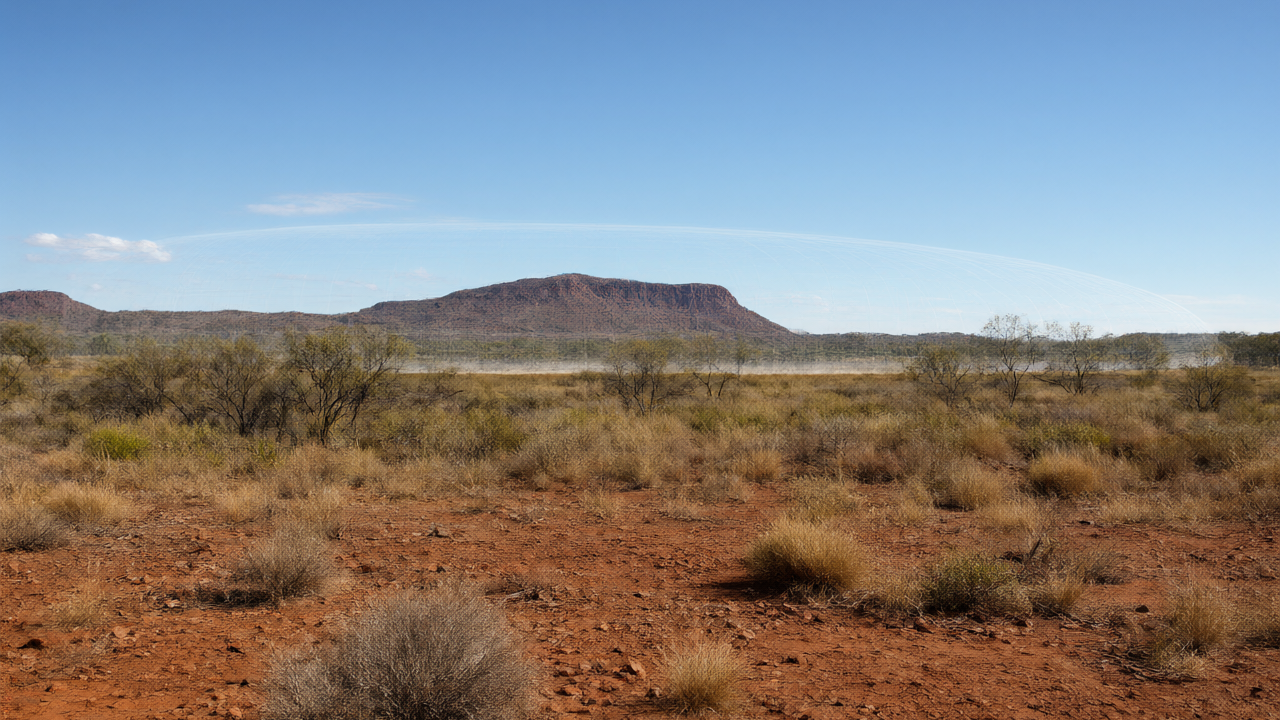
Australian mining conglomerate Rio Tinto is committing millions of dollars to a groundbreaking conservation effort aimed at halting the spread of invasive cane toads into the Pilbara region of Western Australia. The initiative, developed in partnership with Curtin University and other stakeholders, involves constructing a massive "toad containment zone" designed to protect one of the country's most ecologically significant areas from destructive pests.
The A$28 million (approximately £14.5 million) project will focus on creating a physical barrier across 7,500 square kilometers of land situated between the Great Sandy Desert and the Indian Ocean. This strategic intervention seeks to cut off the toads' access to water sources during drier months, effectively preventing their southward migration into the Pilbara, where Rio Tinto operates vast iron ore mines.
While the cane toad poses no direct threat to Rio Tinto’s commercial operations, its arrival would have severe consequences for the local environment. The amphibian produces toxins that are lethal to native wildlife, including predators such as quolls, goannas, and ghost bats. Conservationists warn that without intervention, these species face significant population declines or local extinction if the toads establish themselves in the region.
Roberta Hunter, a ranger within the Nyangumarta Warrarn Indigenous Protected Area, emphasized the urgency of the situation. She noted that cane toads destroy both water resources and animal life. "When toads come close to our country, we want to be there to stop them because we don't want the country to be destroyed," Hunter stated, highlighting the deep connection between Indigenous communities and the land they steward.
The mechanics of the containment zone rely on the biological vulnerabilities of the cane toad. In arid conditions, these reptiles require water every few days to survive. While they can utilize natural water bodies, they also heavily depend on artificial water points used for cattle and irrigation. The five-year project, set to begin in 2027, will fund measures to block access to dams, storage tanks, and other ground-level water sources, making the area uninhabitable for the pests.
Ben Phillips, a professor at Curtin University, described the containment zone as a "once in a lifetime opportunity" to stop one of the world's worst invasive species. He warned that without this barrier, models suggest cane toads could reach the Pilbara within two decades, causing irreversible damage to the region's unique biodiversity.
The cane toad was originally introduced to Australia in 1935 in an attempt to control beetle populations in the sugar cane industry. The plan failed, and the toads have since multiplied unchecked due to a lack of natural predators or diseases. According to the Australian government, they have been on a slow march west across the country's northern landscape, travelling between 40 km and 60 km a year. Their ability to defend themselves with poison has allowed them to expand rapidly across the continent, threatening ecosystems far beyond their original intended range.
This environmental initiative comes against a backdrop of previous controversy for Rio Tinto in the Pilbara region. The company previously faced intense criticism and public backlash after destroying two sacred Aboriginal rock shelters to access iron ore deposits, an incident that led to the resignation of its former chief executive. The firm has since committed to rebuilding trust with Indigenous communities, and this conservation project may serve as a tangible step toward that goal.
As climate change exacerbates drought conditions in parts of Australia, the resilience of native ecosystems becomes increasingly fragile. The success of the toad containment zone could provide a model for managing other invasive species in vulnerable environments. For now, the focus remains on securing the Pilbara’s ecological integrity, ensuring that the region’s distinctive wildlife survives the ongoing march of the invasive toad.
“Mining giant Rio Tinto joins forces with scientists to build a containment zone protecting Western Australia's Pilbara region from invasive cane toads.”
Sources
Reporting informed by BBC Business. This story was written by the Glob News Desk based on verified reporting and independently reviewed before publishing.
Written by
Glob News Desk
AI-assisted editorial team
Stories researched and drafted with AI assistance from verified news sources, then reviewed by a human editor before publishing.
Spotted an error, or have something to say about this story?
Tell the newsroom
Read next
Greenpeace Drops Model Fish to Highlight Trawling Impact in North Sea
Activists drop fake fish onto the seabed in the North Sea to simulate habitat destruction and raise awareness about bottom trawling.
2 min read
The Weekly Globe
One email a week with the most-read stories. Unsubscribe anytime.
Related stories
PlanetGreenpeace Drops Model Fish to Highlight Trawling Impact in North Sea
 Planet
Rhino siblings Markus and Mo mark first birthday with special cake
 Planet
Comments
0Join the conversation — sign in to post a comment.