Greenpeace Drops Model Fish to Highlight Trawling Impact in North Sea
Activists drop fake fish onto the seabed in the North Sea to simulate habitat destruction and raise awareness about bottom trawling.
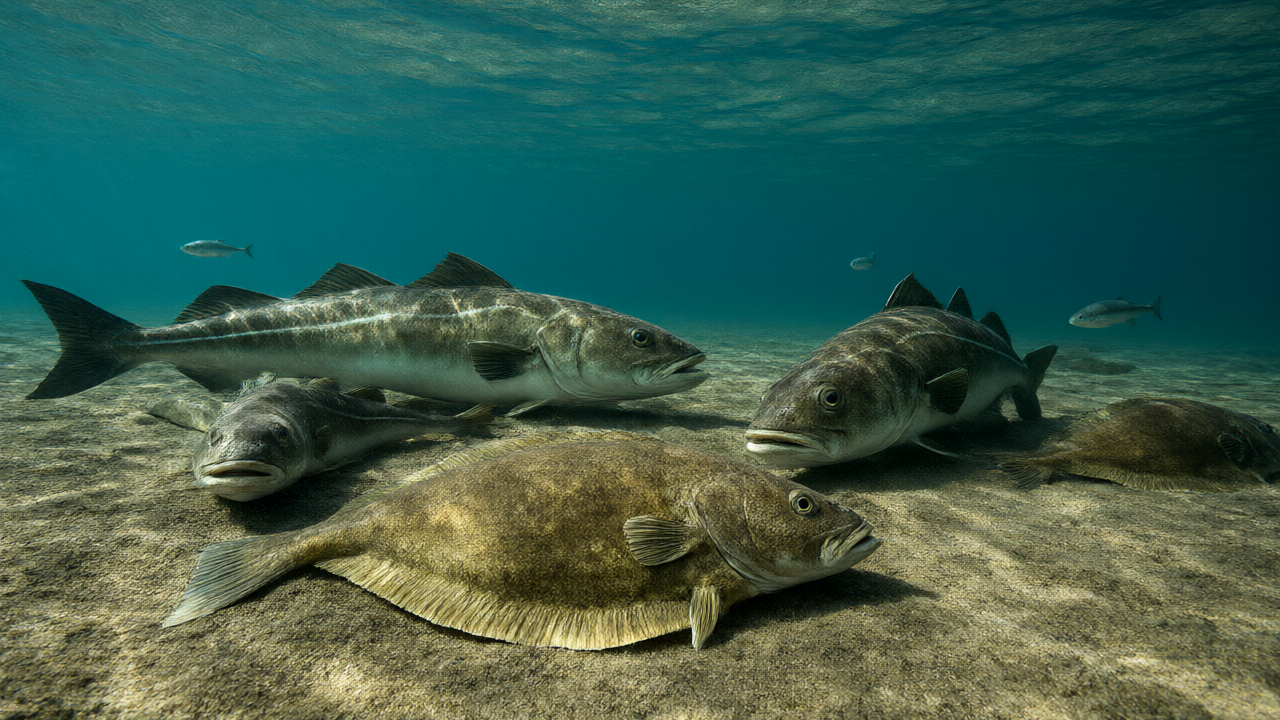
Environmental activists have deployed a symbolic underwater installation in the North Sea, aiming to protect vulnerable porpoises from the devastating impacts of bottom trawling. The operation, conducted by Greenpeace, involves divers dropping large models of cod and plaice onto the seabed to simulate the loss of biodiversity caused by destructive fishing practices, rather than constructing a physical barrier.
The initiative targets a region where commercial fishing practices have long been criticized for their environmental toll. Bottom trawling involves dragging weighted nets across the ocean floor, a method that scours the seabed and destroys fragile habitats. This aggressive technique is particularly harmful to species like harbor porpoises, which rely on healthy marine ecosystems for survival.
By placing these artificial fish models, the activists hope to create a stark visual protest against industrial fishing methods. The models are strategically arranged to mimic a school of fish, highlighting what is lost when trawlers scour the seabed. This non-violent direct action serves as a powerful reminder of the ecological cost of current fishing regulations and enforcement gaps.
The move highlights the growing tension between conservation efforts and commercial interests in European waters. Protected areas are designated to allow marine ecosystems to recover, but enforcement can be challenging due to the vastness of the sea and the persistence of illegal or unregulated fishing activities. The installation offers a tangible, albeit symbolic, solution to draw attention to these boundaries.
Harbor porpoises, the smallest cetacean in the world, face numerous threats including pollution, climate change, and accidental capture in fishing gear. The North Sea population has seen significant declines in recent decades. Activists argue that stopping habitat destruction at its source is crucial for the species' recovery, rather than relying solely on reactive measures after damage is done.
The deployment underscores the innovative tactics increasingly used by environmental groups to draw attention to ecological crises. While traditional protests involve banners and speeches, direct action on the water provides immediate, visible results. The sight of model fish resting on the depths serves as a powerful symbol of humanity's capacity to both harm and heal the natural world.
Critics of bottom trawling point out that the practice removes up to 90% of the biomass from the seabed, leaving little behind for other species. It also releases stored carbon back into the water column, exacerbating climate change. By halting this activity in specific zones, the campaign aims to preserve biodiversity and maintain the health of the marine food web.
The long-term effectiveness of such symbolic protests remains a subject of debate among marine scientists and policymakers. While they provide immediate visibility to the issue, they do not address the root causes of overfishing or the broader regulatory failures that allow destructive practices to continue elsewhere. However, they serve as a potent reminder of the urgent need for stricter enforcement of marine protected areas.
As the project unfolds, it continues to spark discussion about the role of civil disobedience in environmental advocacy. For many observers, the image of a silent, artificial reef beneath the waves represents a new frontier in the fight to save our oceans, challenging the status quo of industrial exploitation.
“Activists drop fake fish onto the seabed in the North Sea to simulate habitat destruction and raise awareness about bottom trawling.”
Sources
Reporting informed by Sky News Tech. This story was written by the Glob News Desk based on verified reporting and independently reviewed before publishing.
Written by
Glob News Desk
AI-assisted editorial team
Stories researched and drafted with AI assistance from verified news sources, then reviewed by a human editor before publishing.
Spotted an error, or have something to say about this story?
Tell the newsroom
Read next
Rio Tinto Funds Massive Barrier to Stop Cane Toad Invasion in Australia
Mining giant Rio Tinto joins forces with scientists to build a containment zone protecting Western Australia's Pilbara region from invasive cane toads.
3 min read
The Weekly Globe
One email a week with the most-read stories. Unsubscribe anytime.
Related stories
PlanetRio Tinto Funds Massive Barrier to Stop Cane Toad Invasion in Australia
 Planet
Rhino siblings Markus and Mo mark first birthday with special cake
 Planet
Comments
0Join the conversation — sign in to post a comment.