Why Snails Are Devouring Your Mail in Wet Weather
Ecologists explain why garden snails are attracted to letterboxes during humid conditions and offer safe ways to protect your post.
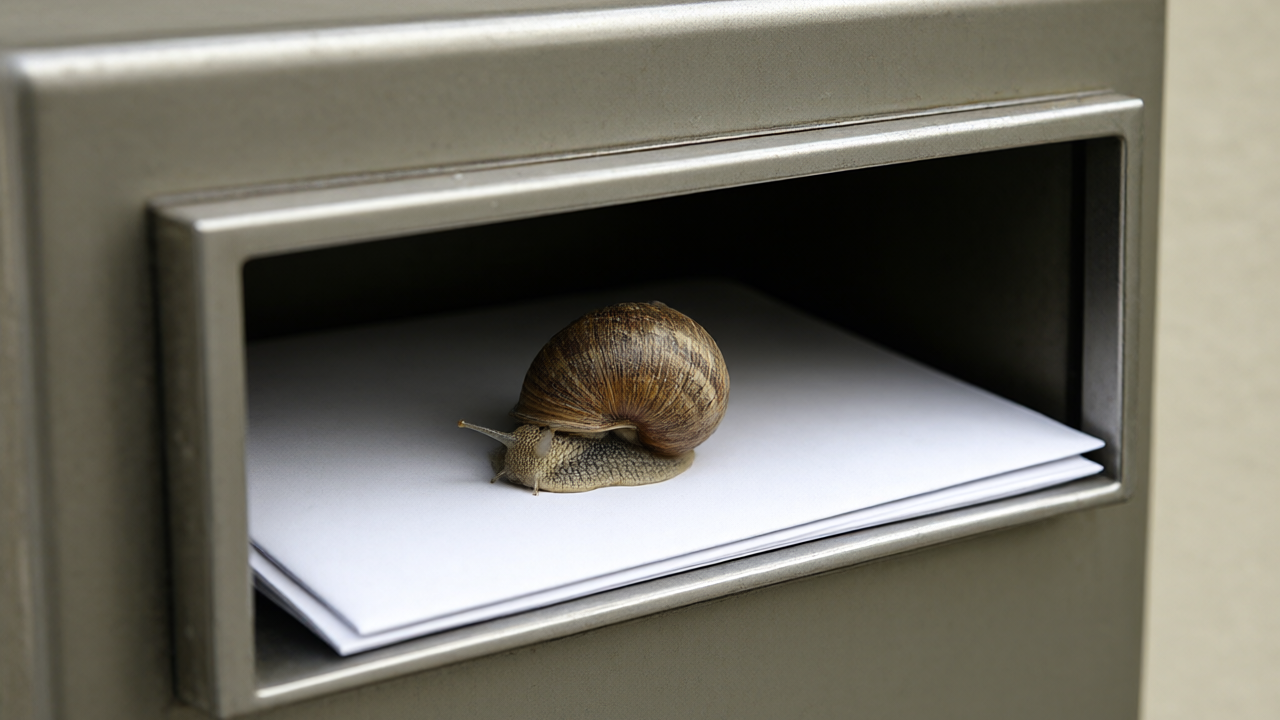
In the age of instant digital communication, the term 'snail mail' has become a nostalgic joke. However, for residents in parts of Australia and the United Kingdom, this phrase is becoming uncomfortably literal. During periods of wet weather, garden snails are increasingly seeking shelter inside letterboxes, where they encounter a surprising feast: paper letters. This phenomenon has led to closed postboxes and frustrated citizens whose correspondence is being consumed by gastropods.
The issue has gained significant attention after ecologist Simon Mustoe revealed that snails had eaten his personal letter from Sir David Attenborough. A BBC report subsequently highlighted the closure of a Royal Mail postbox in Northumberland due to snails munching on the mail. Meanwhile, online forums for Australian hardware chain Bunnings are filled with desperate claims from homeowners who swear snails have a real appetite for postal letters, with some reporting that a single snail can devour an entire letter in just two days.
Comedian Jimeoin recently joked about the situation after moving to Australia, finding a snail eating his mail and remarking, 'You stupid snail, you’re supposed to eat lettuce, not letters.' While humorous, the behavior is rooted in biology. Dr. John Stanisic, known as the Snail Whisperer, explains that letters are processed vegetable matter, making them a logical food source for these molluscs. He noted that snails have even been known to escape containers and eat documents left nearby.
Snails are ancient creatures, with a lineage dating back 350 million years. They play a critical role in ecosystems by consuming waste. Ecologist Simon Mustoe reasons that this function may have helped prevent the late Devonian mass extinction caused by a surge in plant evolution. Dr. Isabel Hyman from the Australian Museum emphasizes their importance in the food web, noting that while people often focus on mammals and birds, a flourishing ecosystem relies on small invertebrates like snails.
Despite their ecological value, the common garden snail, introduced to Australia from Europe 120 years ago, is considered a pest. Unlike native species, which struggle in disturbed habitats, these introduced snails thrive in urban environments. In humid conditions, they seek refuge in letterboxes primarily for moisture. Snails require water to produce mucus, which they use to create slime trails for movement and to keep their bodies hydrated. A dry letterbox offers a damp sanctuary, and the presence of paper provides an unexpected bonus meal.
Controlling these pests without harming local wildlife is a challenge. Dr. Hyman warns against using chemical poisons, which can kill natural predators such as blue tongue lizards, birds, and turtles. Mustoe notes that snail pellets have also been fatal to pets, including French bulldogs. Instead, experts recommend non-toxic barriers. Copper tape creates an uncomfortable electric charge when it contacts snail mucus, while sharp angles, sand, diatomaceous earth, or crushed eggshells make the area around letterboxes difficult to traverse.
For those willing to take more direct action, iron-based baits are considered safer for the environment than traditional chemicals, though they will still kill native snails if used near bushland. Ultimately, ecologists suggest that humans must adapt to the resilience of these ancient animals. The most effective strategy is pragmatic maintenance: regularly cleaning out letterboxes and checking mail frequently to ensure it does not sit long enough to be consumed.
“Ecologists explain why garden snails are attracted to letterboxes during humid conditions and offer safe ways to protect your post.”
Sources
Reporting informed by Guardian Env. This story was written by the Glob News Desk based on verified reporting and independently reviewed before publishing.
Written by
Glob News Desk
AI-assisted editorial team
Stories researched and drafted with AI assistance from verified news sources, then reviewed by a human editor before publishing.
Spotted an error, or have something to say about this story?
Tell the newsroom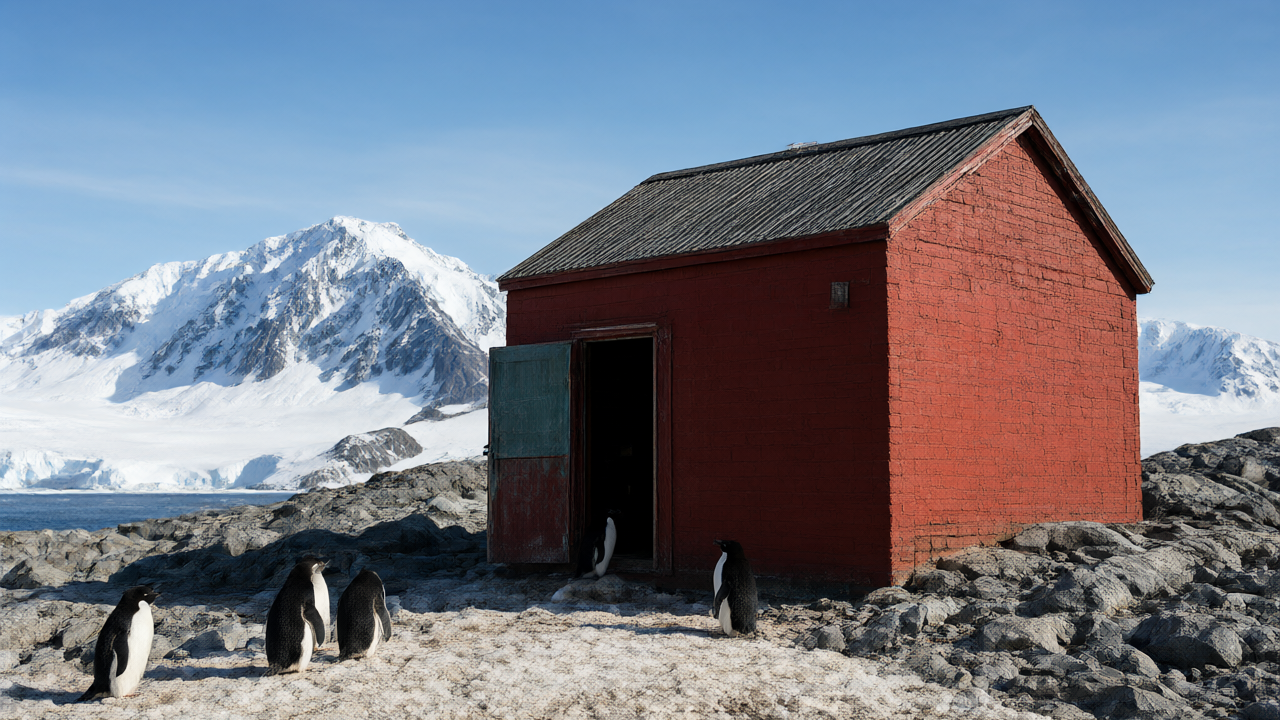
Read next
Life at the Bottom of the World: The Antarctic Postmaster
George Clarke leaves Bristol for five months to run the world's southernmost post office, sorting mail among noisy penguins and preserving history.
2 min read
The Weekly Globe
One email a week with the most-read stories. Unsubscribe anytime.
Related stories
Weird & WonderfulLife at the Bottom of the World: The Antarctic Postmaster
A Deep-Sea Robot Filmed a Creature No One Had Ever Seen at 8,000 Metres
 Planet
Comments
0Join the conversation — sign in to post a comment.