Life at the Bottom of the World: The Antarctic Postmaster
George Clarke leaves Bristol for five months to run the world's southernmost post office, sorting mail among noisy penguins and preserving history.
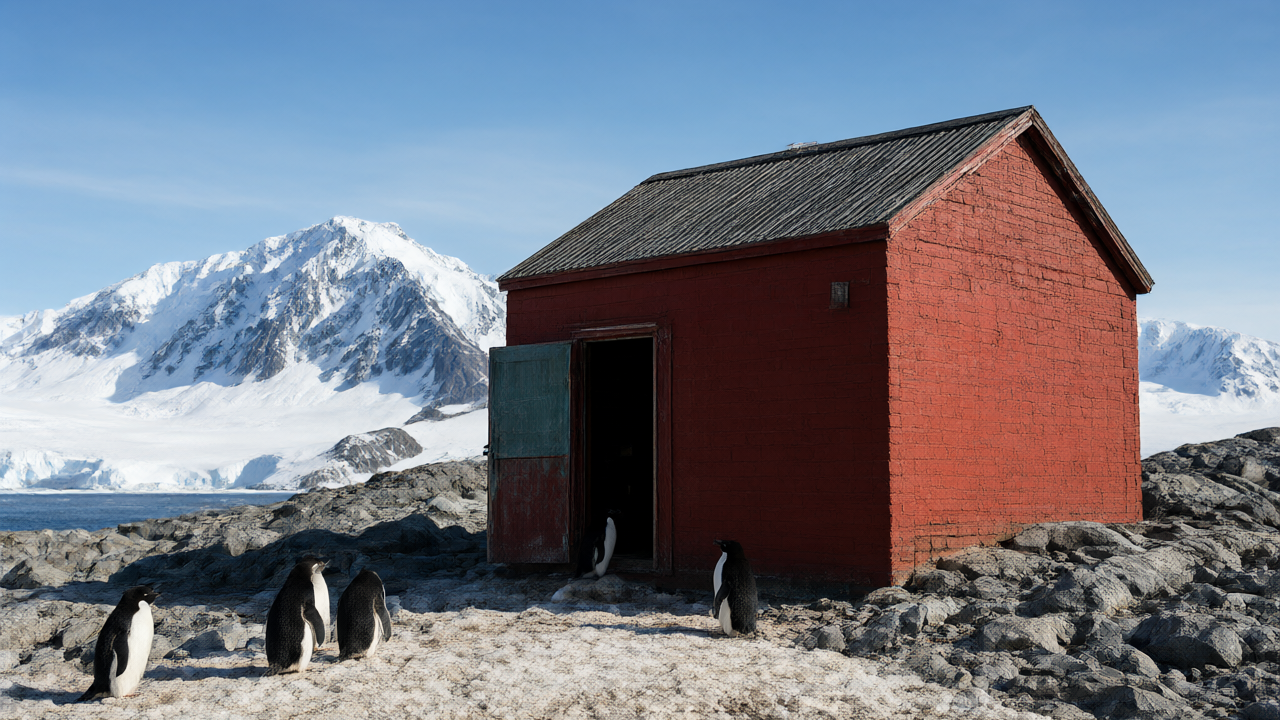
For most people, a day in the life of a postal worker involves sorting packages and navigating traffic. For George Clarke, it means leaving his partner and friends in Bristol, England, to spend five months on a tiny island in Antarctica, where his colleagues include approximately 1,000 penguins. Clarke serves as the postmaster at Port Lockroy, widely recognized as the world’s most southerly post office, during the southern hemisphere’s summer season from late October to March.
The role is far from typical. There are no delivery vans or motorbikes to whisk mail away. Instead, Clarke and his small team must coordinate with passing ships heading north toward the Falkland Islands. Once postcards and letters are sorted, bagged, and weighed, they contact vessels via email or radio to arrange transport. These captains are typically eager to help, ensuring the mail reaches its global destinations.
Clarke, who describes himself as a part-time festival worker and artist, views the position as an incredible opportunity to live in the Antarctic wilderness. He notes that while the local wildlife is both noisy and smelly, the human community on the island is fantastic. His upcoming departure marks his third voyage to the region, continuing his work with the UK Antarctic Heritage Trust (UKAHT), which manages the site.
Port Lockroy, located on Goudier Island, was chosen in the 1940s as a permanent British foothold because early 20th-century whaling ships found it a safe anchorage point. The site operated as a British science research facility until 1962, when operations moved to larger, more modern locations. Today, it stands as a preserved heritage site, with remnants of the whaling industry, such as whale bones, still visible along parts of the shore.
Beyond sorting mail, Clarke’s duties are extensive. He serves as the deputy base commander, assists with cleaning and maintenance, and supports wildlife observations for the British Antarctic Survey. The current team of six is engaged in the second term of a three-year restoration plan aimed at shoring up Bransfield House, the island’s largest building. This structure houses the museum, the post office, and a shop, and requires structural reinforcements like roof beams and floor props to withstand harsh weather.
The journey to this remote outpost is arduous. Travelers fly from the UK to Ushuaia, Argentina, via Buenos Aires, spending a few days acclimatizing before boarding a ship. The maritime leg to the Antarctic Peninsula takes four to five days, making the total trip from Cambridge to Port Lockroy roughly a week long.
Colleagues share Clarke’s enthusiasm for the unique challenge. Base commander and Royal Air Force veteran Carole McCullough applied for the role seeking adventure, describing Antarctica as the ultimate test. She highlights the strong team bonding and deep appreciation for the location as key components of the experience. Wildlife monitor and museum manager Alice Parr, who was selected as a reserve three years ago before finally joining the team, calls the opportunity to manage the museum and count penguins a once-in-a-lifetime chance.
The preservation efforts at Port Lockroy are critical not just for historical reasons but also for conservation. The UKAHT focuses on maintaining the heritage surrounding British exploration in Antarctica. As climate change impacts the region, sites like this face increasing pressure, making the work of staff like Clarke essential in keeping the history and ecology of the area intact for future generations.
“George Clarke leaves Bristol for five months to run the world's southernmost post office, sorting mail among noisy penguins and preserving history.”
Sources
Reporting informed by BBC Science. This story was written by the Glob News Desk based on verified reporting and independently reviewed before publishing.
Written by
Glob News Desk
AI-assisted editorial team
Stories researched and drafted with AI assistance from verified news sources, then reviewed by a human editor before publishing.
Spotted an error, or have something to say about this story?
Tell the newsroom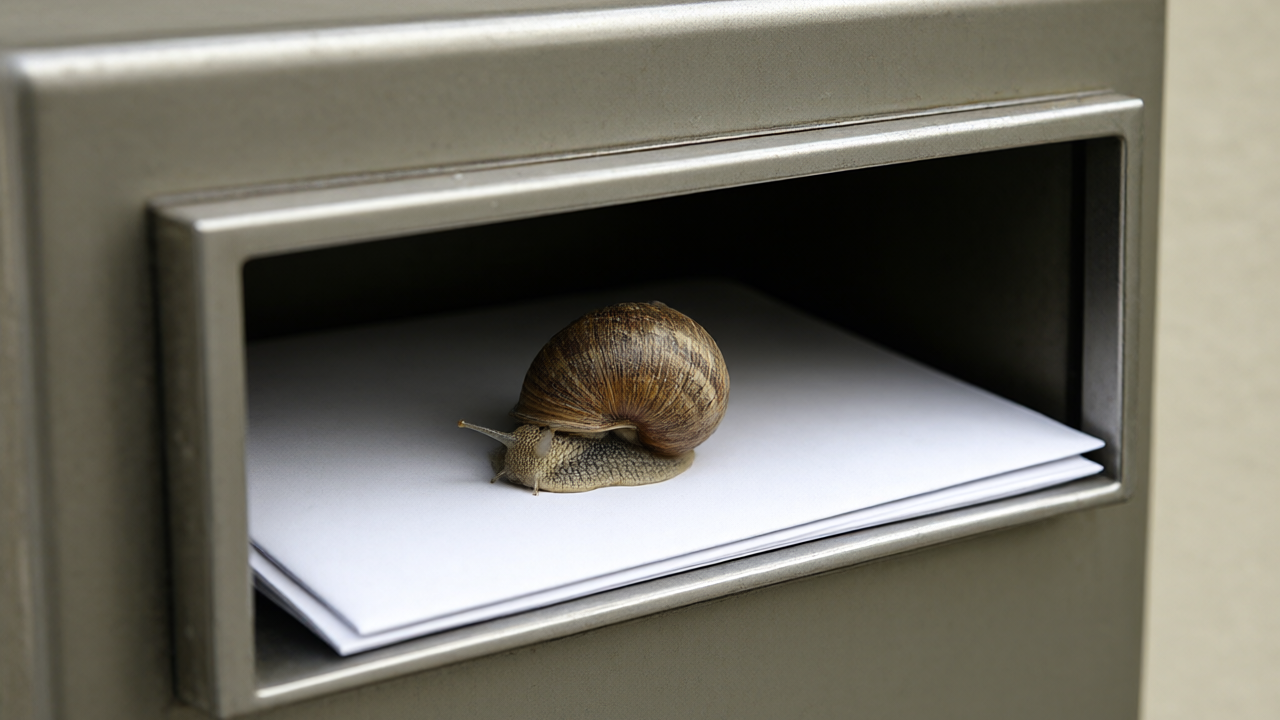
Read next
Why Snails Are Devouring Your Mail in Wet Weather
Ecologists explain why garden snails are attracted to letterboxes during humid conditions and offer safe ways to protect your post.
2 min read
The Weekly Globe
One email a week with the most-read stories. Unsubscribe anytime.
Related stories
Weird & WonderfulWhy Snails Are Devouring Your Mail in Wet Weather
A Deep-Sea Robot Filmed a Creature No One Had Ever Seen at 8,000 Metres
 Planet
Comments
0Join the conversation — sign in to post a comment.