Penguin Guano Fuels Algal Blooms, Accelerating Antarctic Snow Melt
New research reveals that penguin droppings feed algae that absorb more solar energy, causing snow to melt faster as birds migrate south.
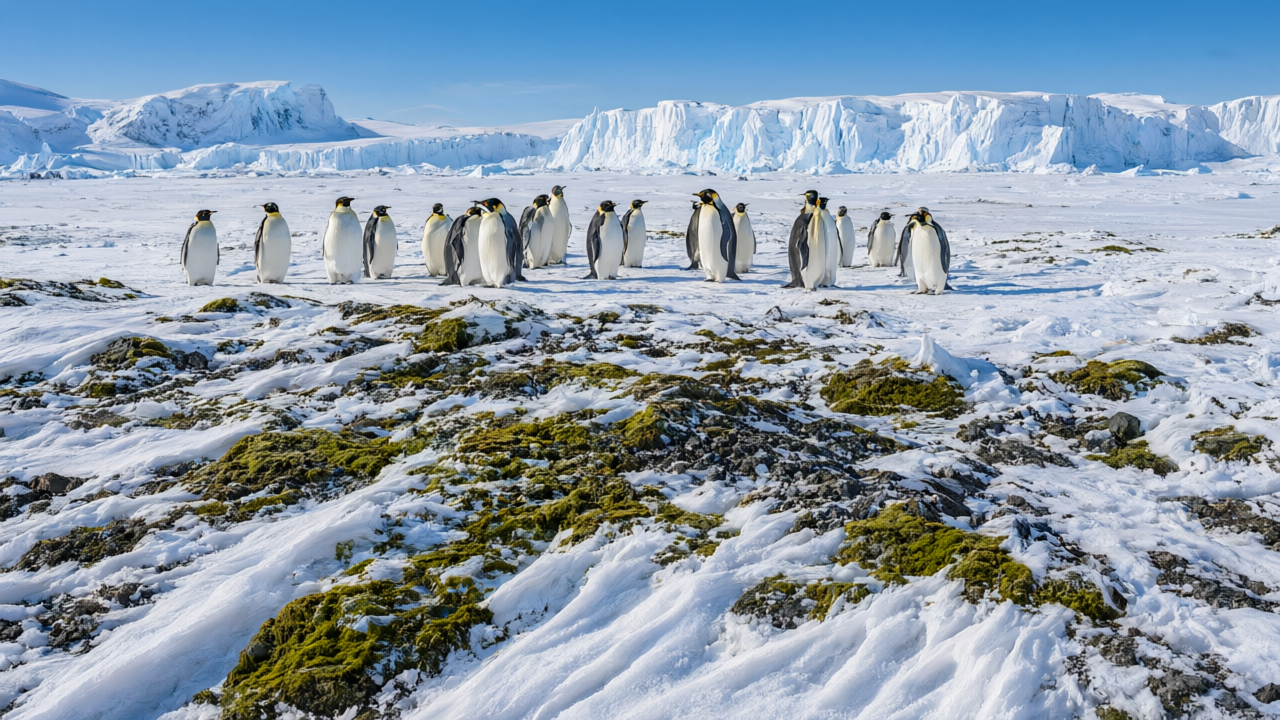
A new study indicates that penguin guano is accelerating the melting of snow in Antarctica. As global temperatures rise, penguins are moving closer to the South Pole, bringing with them a previously unrecognized factor in ice loss: their waste. This phenomenon creates algal blooms that absorb significantly more solar energy than typical snow, leading to faster melting rates.
Snow algae are microscopic, single-celled plants that thrive in some of the coldest environments on Earth. Their color and behavior change depending on nutrient availability. When nutrients are scarce, these algae produce red pigments to protect themselves from intense sunlight, which slows their growth. However, when nutrients are abundant, they proliferate rapidly, filling their cells with green chlorophyll to boost photosynthesis.
The difference in color has a major physical impact. Snow containing green algae absorbs significantly more solar energy compared to snow with red algae. This increased absorption causes the snow to melt more quickly. The shift from red to green algae, therefore, acts as a catalyst for accelerated ice loss in affected areas.
Alia Khan from the University of Colorado and her research team investigated the specific role of penguin waste in this process. They collected samples of both red and green snow algae along the coast of the West Antarctic Peninsula. The samples were taken from areas with and without nearby penguin colonies to compare the differences in algal composition.
The researchers found that penguins inadvertently transport their guano across snowfields. This waste provides the necessary nutrients to feed the snow algae. In areas frequented by penguins, the algae blooms turn green rather than remaining red. These green blooms increase the likelihood of snow melting by absorbing more heat from the sun.
Published in the Journal of Geophysical Research: Biogeosciences, the study highlights a feedback loop that current climate models may not fully account for. Projections of Antarctic melting do not yet include the impact of penguin guano. However, as penguin populations move further south due to warming temperatures, this effect could become significant over a wider area.
The findings suggest that biological factors, such as animal migration and waste distribution, play a more complex role in polar ice dynamics than previously thought. The movement of penguins toward the pole brings their nutrient-rich waste into regions where it can fuel extensive algal growth, thereby influencing local melting rates.
This research adds a new layer of understanding to the challenges facing Antarctica. While rising air and ocean temperatures are well-documented drivers of ice loss, the interaction between wildlife and environmental changes introduces additional variables. The study underscores the interconnectedness of ecosystems and the potential for unexpected consequences as species adapt to a changing climate.
“New research reveals that penguin droppings feed algae that absorb more solar energy, causing snow to melt faster as birds migrate south.”
Sources
Reporting informed by The Guardian. This story was written by the Glob News Desk based on verified reporting and independently reviewed before publishing.
Written by
Glob News Desk
AI-assisted editorial team
Stories researched and drafted with AI assistance from verified news sources, then reviewed by a human editor before publishing.
Spotted an error, or have something to say about this story?
Tell the newsroom
Read next
Rare Pied Tamarin Twins Born at UK Zoo, Marking European Breeding Success
Shaldon Wildlife Trust celebrates the birth of critically endangered pied tamarin twins, a rare achievement for European zoos this year.
2 min read
The Weekly Globe
One email a week with the most-read stories. Unsubscribe anytime.
Related stories
PlanetRare Pied Tamarin Twins Born at UK Zoo, Marking European Breeding Success
 Planet
Leonid Meteor Shower Peaks: What to Know About the November Sky Show
 Planet
Comments
0Join the conversation — sign in to post a comment.