Leonid Meteor Shower Peaks: What to Know About the November Sky Show
The Leonid meteor shower, known for its fast streaks of light, reaches its peak on Nov. 17, offering skywatchers a chance to see up to 15 meteors per hour.
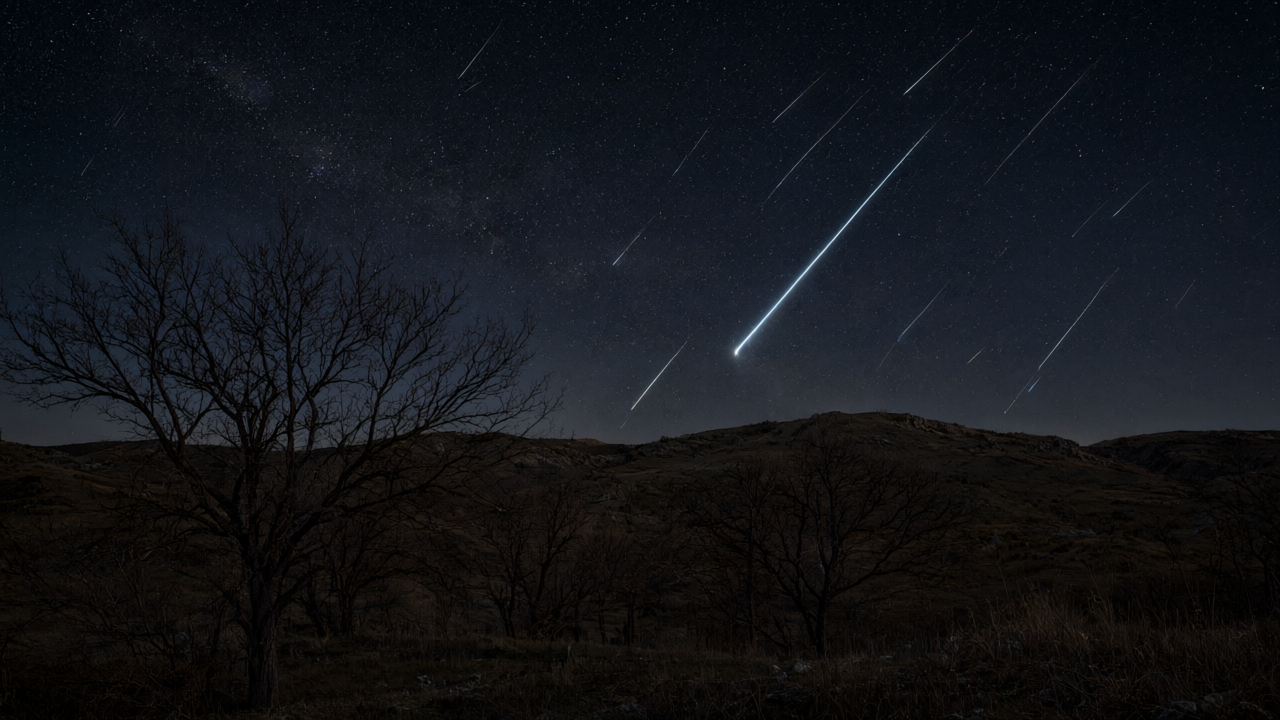
Skywatchers across the United Kingdom and beyond are being treated to one of the year’s most prolific celestial events as the Leonid meteor shower continues its monthly display. Running from early November through November 30, the shower promises a spectacular show of bright, fast-moving meteors that have captivated observers for decades. The event is currently building toward its peak activity, which experts predict will occur on the night of November 17, offering the best opportunities for viewing this winter season.
The Leonids are distinct among meteor showers due to their incredible speed. These streaks of light are created when dust particles left behind by Comet 55P/Tempel-Tuttle enter Earth's atmosphere at velocities reaching up to 44 miles (71 kilometers) per second. This high speed means that unlike slower meteors, Leonids often appear as rapid, sharp lines of light cutting across the dark sky, making them particularly striking to the naked eye without the need for binoculars or telescopes.
During periods of peak activity, observers may spot between 10 and 15 meteors per hour. While this number might seem modest compared to some other showers, the quality and speed of the Leonids make them a favorite among astronomy enthusiasts. The radiant point, or the area in the sky from which the meteors appear to originate, is located near the head of the constellation Leo. Focusing your gaze in this direction can increase your chances of spotting these cosmic visitors.
However, successful viewing requires more than just looking up; it demands preparation and favorable conditions. Experts strongly advise finding a safe, dark location far away from sources of light pollution such as streetlights and urban glow. A wide-open space with an unobstructed view of the horizon is ideal. Additionally, giving your eyes approximately 20 to 30 minutes to adapt to the darkness is crucial for maximizing visibility. Clear skies are essential, as cloud cover can easily obscure the faint trails of burning dust.
Weather forecasts present a mixed outlook for those hoping to catch the early phases of the shower. In many areas, large amounts of cloud are expected, accompanied by a chance of rain or drizzle. Currently, southern and western parts of England and Wales appear to offer the best prospects for clear skies on Friday and Saturday nights. Conversely, northern England, Northern Ireland, and Scotland are likely to remain under heavier cloud cover. By Sunday night, clearer conditions are anticipated to spread across more regions.
Even with clear skies, additional challenges such as fog may arise in areas where the sky remains open for extended periods, potentially obscuring the view. Overnight temperatures are also dropping into single figures, with frost possible in some locations. Observers planning to spend significant time outdoors are urged to dress warmly to ensure comfort during long hours of stargazing. Checking hour-by-hour local forecasts via weather apps can help viewers plan their outings effectively.
For those who miss the initial displays, there is reason for optimism as the month progresses. Viewing conditions are expected to improve significantly around the peak in mid-November. During this time, the Moon will be below the horizon around midnight, reducing moonlight interference and allowing for darker skies. This alignment should enhance the visibility of the meteors, providing a prime opportunity for those who could not watch earlier in the week.
The Leonid meteor shower serves as a reminder of the dynamic relationship between Earth and the debris fields left by comets. As Comet Tempel-Tuttle orbits the Sun, it leaves a trail of particles that Earth passes through annually. The resulting atmospheric friction creates the dazzling light shows that draw people outside regardless of the cold. Whether you are an experienced astronomer or a casual observer, the Leonids offer a accessible and rewarding way to connect with the cosmos.
“The Leonid meteor shower, known for its fast streaks of light, reaches its peak on Nov. 17, offering skywatchers a chance to see up to 15 meteors per hour.”
Sources
Reporting informed by BBC Science. This story was written by the Glob News Desk based on verified reporting and independently reviewed before publishing.
Written by
Glob News Desk
AI-assisted editorial team
Stories researched and drafted with AI assistance from verified news sources, then reviewed by a human editor before publishing.
Spotted an error, or have something to say about this story?
Tell the newsroom
Read next
Rare Pied Tamarin Twins Born at UK Zoo, Marking European Breeding Success
Shaldon Wildlife Trust celebrates the birth of critically endangered pied tamarin twins, a rare achievement for European zoos this year.
2 min read
The Weekly Globe
One email a week with the most-read stories. Unsubscribe anytime.
Related stories
PlanetRare Pied Tamarin Twins Born at UK Zoo, Marking European Breeding Success
 Planet
Penguin Guano Fuels Algal Blooms, Accelerating Antarctic Snow Melt
 Planet
Comments
0Join the conversation — sign in to post a comment.