New Blood Pressure Drug Shows Potential for Long-Term Cure
A new hypertension medication, baxdrostat, has stunned doctors by reversing high blood pressure for up to two years after treatment stops.
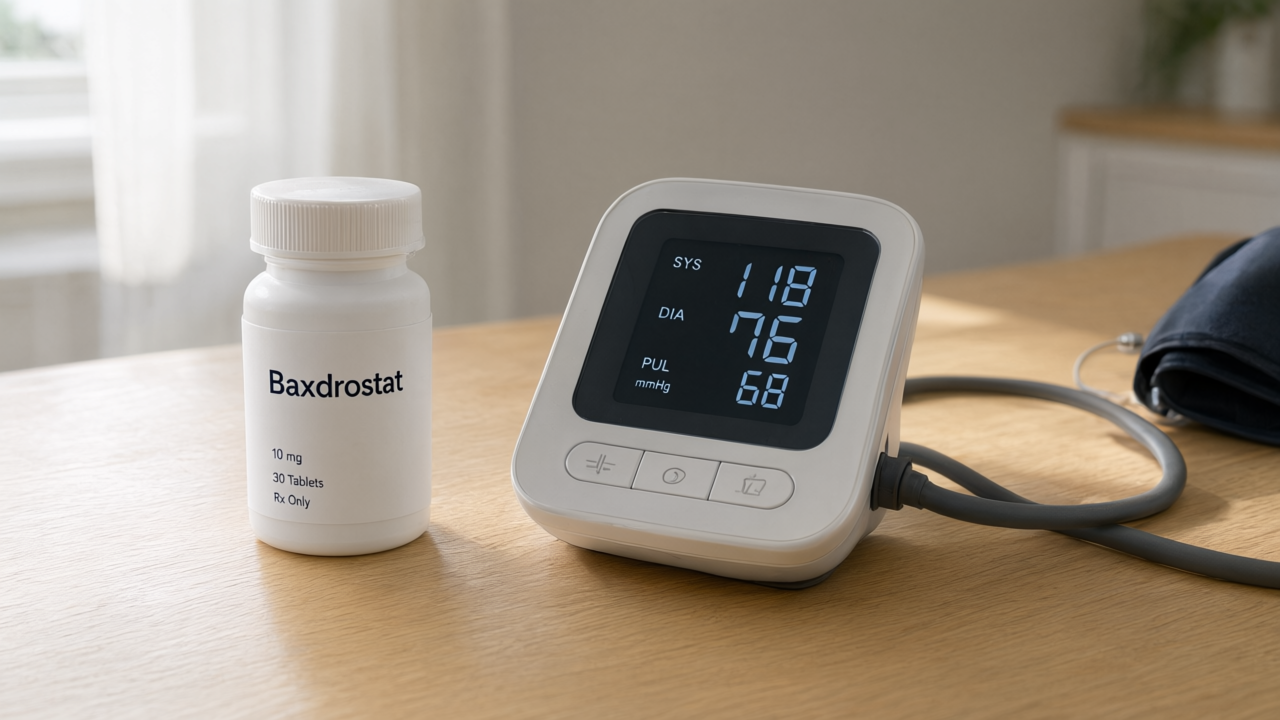
Millions of people worldwide with high blood pressure may soon have a new hope for long-term relief thanks to a medication called baxdrostat. In a development that has surprised medical experts, the drug appears to reverse a common cause of hypertension for years after patients stop taking it. This unexpected persistence of benefits suggests the condition might be curable rather than merely manageable, marking a potential shift in how doctors treat one of the world's most prevalent health issues.
Patients who took baxdrostat saw significant improvements in their blood pressure during a six- to twelve-month course of daily pills. However, the most striking finding came when doctors checked on these patients up to two years later. Their blood pressure remained lower, with some individuals no longer requiring any hypertension medications. Prof Morris Brown, a hypertension specialist at Queen Mary University of London who led the study, described the results as very exciting, noting that just under a quarter of the patients came off all treatment and maintained completely normal blood pressure levels.
High blood pressure, or hypertension, affects more than a billion people globally, including over 12 million in the UK alone. In five to ten percent of cases, the condition is driven by primary aldosteronism. This occurs when small nodules or benign tumors on the adrenal glands cause them to overproduce a hormone called aldosterone. The excess hormone signals the kidneys to retain salt, which raises blood pressure. While the standard treatment involves surgically removing the affected adrenal gland, surgery does not always cure the condition as other factors can contribute to hypertension.
Baxdrostat works as an aldosterone synthase inhibitor, suppressing the blood pressure-raising hormone. It was approved in the United States earlier this year for patients whose hypertension is not controlled by existing drugs. The National Institute for Health and Care Excellence (Nice) is currently assessing the drug, which could make it available through the UK's National Health Service next year. Its approval represents a significant step forward for patients who have struggled with resistant high blood pressure.
The potentially curative effect of baxdrostat emerged from a small study published in the New England Journal of Medicine. The research followed fourteen patients whose hypertension improved dramatically during a three-month trial. They continued taking the daily pills for six to twelve months before stopping. When monitored up to two years later, their blood pressure remained lower than baseline. This long-lasting effect challenges the traditional view that hypertension requires lifelong medication management.
Mason Freeman, a professor of medicine at Harvard University involved in the work, stated that it is too early to definitively say if some patients are cured. A larger trial is underway to determine if this effect is common and persistent. If confirmed, the approach to diagnosing and treating these patients could change dramatically. Everyone could potentially be treated with the inhibitor upon initial suspicion of the condition, avoiding invasive diagnostic procedures and surgery if they respond well.
Prof Brown suspects the drug cures primary aldosteronism based on experiments from twenty years ago involving mice. Those studies showed that deleting the gene needed to make aldosterone led to the loss of cells that produced the hormone. He believes baxdrostat has a similar effect by causing a surge in reactive oxygen species, which may selectively destroy the cells that overproduce the hormone. These oxygen radicals appear to kill the problematic cells, allowing them to disappear.
Researchers are now testing this mechanism in the laboratory to confirm how the drug achieves its lasting effects. Understanding whether the drug permanently eliminates the source of excess aldosterone could revolutionize treatment protocols. For now, the findings offer a promising glimpse into a future where high blood pressure caused by primary aldosteronism might be resolved permanently rather than managed indefinitely.
“A new hypertension medication, baxdrostat, has stunned doctors by reversing high blood pressure for up to two years after treatment stops.”
Sources
Reporting informed by Guardian Science. This story was written by the Glob News Desk based on verified reporting and independently reviewed before publishing.
Written by
Glob News Desk
AI-assisted editorial team
Stories researched and drafted with AI assistance from verified news sources, then reviewed by a human editor before publishing.
Spotted an error, or have something to say about this story?
Tell the newsroom
Read next
NASA Seeks New Astronauts for Moon Base and Mars Missions
The US space agency has opened applications for a new class of astronauts to help build a lunar base and pioneer missions to Mars.
2 min read
The Weekly Globe
One email a week with the most-read stories. Unsubscribe anytime.
Related stories
ScienceNASA Seeks New Astronauts for Moon Base and Mars Missions
 Science
The Secret to Better Conversations Is 'Pink Noise'
 Science
Comments
0Join the conversation — sign in to post a comment.