Lab-Grown Meat: The Promise vs. Reality
A decade after the first lab-grown burger, cellular agriculture struggles with high costs and regulatory hurdles despite early climate promises.
On August 5, 2013, a historic moment unfolded at London’s Riverside Studios when two volunteers tasted the world’s first lab-grown beef burger. Created by Mark Post of Maastricht University, the patty was cultivated from cattle stem cells in a nutrient-rich serum derived from cow fetuses. The event, attended by press and livestreamed globally, marked the public debut of cellular agriculture, a technology promised to revolutionize food production and combat climate change.
The burger took two years to produce and cost approximately €250,000, funded largely by Google co-founder Sergey Brin. Post envisioned a future where meat could be grown without raising livestock, drastically reducing the land, water, and feed required for traditional farming. He argued that as global demand for meat outstripped sustainable production limits, lab-grown alternatives would become essential to prevent food system collapse.
During the demonstration, a chef pan-fried the raw patty in sunflower oil and butter. The resulting dish was served deconstructed with a bun, lettuce, and tomato. Tasters Josh Schonwald and Hanni Rützler noted the texture resembled an "animal-protein cake" and lacked the fat content of conventional beef. While Schonwald compared it to a Boca Burger, Rützler pointed out its blandness. Approximately €113,000 worth of the experimental meat remained uneaten.
Despite the modest reception, the spectacle triggered a gold rush in the sector. Over 140 companies emerged across six continents, securing $3 billion in investment to replicate the process for chicken, pork, fish, and even quail. Advocates claimed cellular agriculture could mitigate greenhouse gas emissions, reduce zoonotic disease risks, and curb antibiotic resistance. Think tanks predicted the industry would disrupt traditional agriculture more profoundly than the initial domestication of plants and animals.
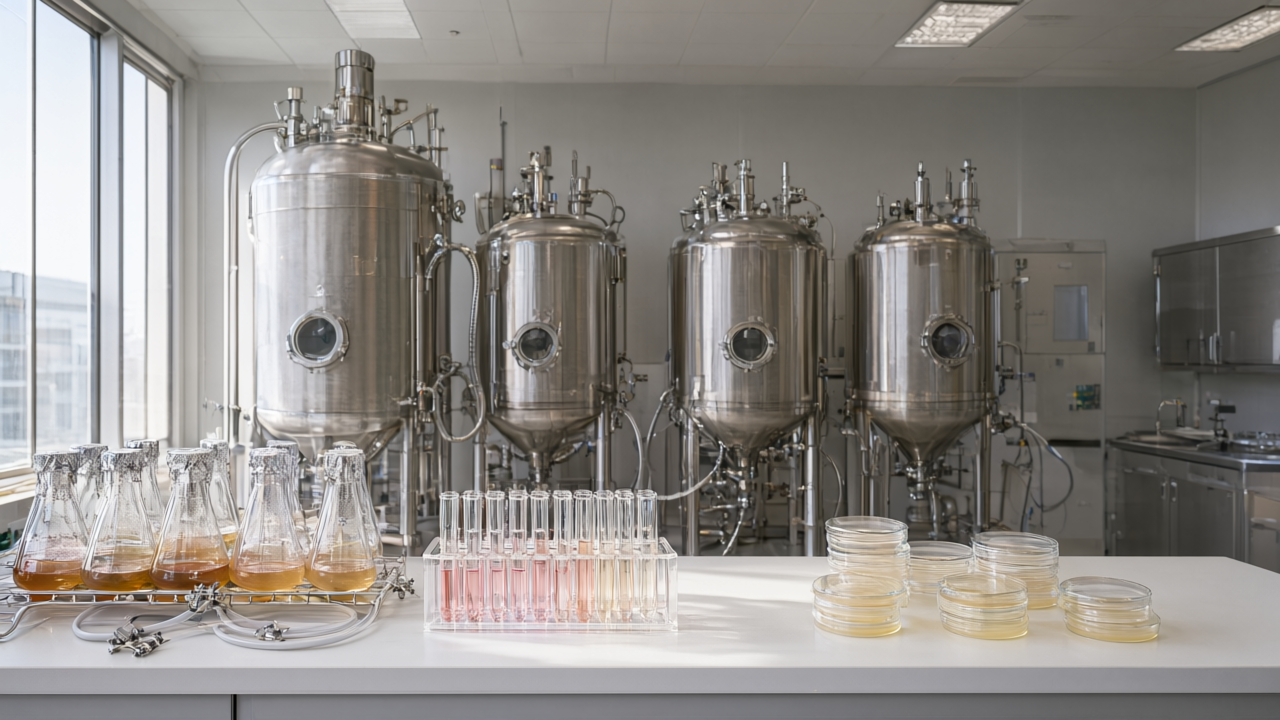
However, the technology faced significant practical barriers. Building manufacturing facilities required exorbitant upfront capital, while the energy demands to run bioreactors remained daunting. Companies struggled to scale production to affordable price points and recruit skilled workers. Regulatory approval processes involving the FDA and USDA were lengthy and complex. Additionally, research setbacks occurred, including the accidental contamination of samples with rodent DNA at firms like Upside Foods and Eat Just.
Investment enthusiasm peaked in 2021 but began to decline sharply thereafter. By 2023, global funding for the industry had dropped to just $177 million. Venture capitalists grew skeptical as commercial viability remained elusive. The gap between early hype and industrial reality widened, leaving many startups unable to secure sufficient capital to move from laboratory prototypes to mass-market products.
Political opposition further complicated the sector's trajectory. Several U.S. states, including Florida, Texas, and Alabama, passed legislation banning the sale or production of cultivated meat. Florida Governor Ron DeSantis publicly signed such a law, framing the product as "fake lab-grown meat." These legislative moves reflected broader cultural resistance and political polarization surrounding synthetic food technologies.
Today, nearly a decade after the first burger, lab-grown meat has yet to achieve widespread consumer adoption. While the scientific potential to address environmental and health concerns remains intact, the industry has failed to deliver on its initial promises of affordability and scalability. The journey from a singular experimental patty to a staple on supermarket shelves continues to face steep economic, regulatory, and social challenges.
“A decade after the first lab-grown burger, cellular agriculture struggles with high costs and regulatory hurdles despite early climate promises.”
Sources
Reporting informed by Guardian Env. This story was written by the Glob News Desk based on verified reporting and independently reviewed before publishing.
Written by
Glob News Desk
AI-assisted editorial team
Stories researched and drafted with AI assistance from verified news sources, then reviewed by a human editor before publishing.
Spotted an error, or have something to say about this story?
Tell the newsroom
Read next
Stonehenge Altar Stone Origin Mystery Deepens as New Theory Ruled Out
Geologists rule out north-east Scotland as the source of Stonehenge's altar stone, narrowing the search to northern England or Ireland.
2 min read
The Weekly Globe
One email a week with the most-read stories. Unsubscribe anytime.
Related stories
ScienceStonehenge Altar Stone Origin Mystery Deepens as New Theory Ruled Out
 Science
Vegan Dairy Swaps May Cause Iodine Deficiency in Youth
 Science
Comments
0Join the conversation — sign in to post a comment.