Azores Island Goes Dark to Save Baby Seabirds
Corvo Island switches off all streetlights for five nights each autumn, allowing fledgling Cory’s shearwaters to navigate by starlight to the ocean.
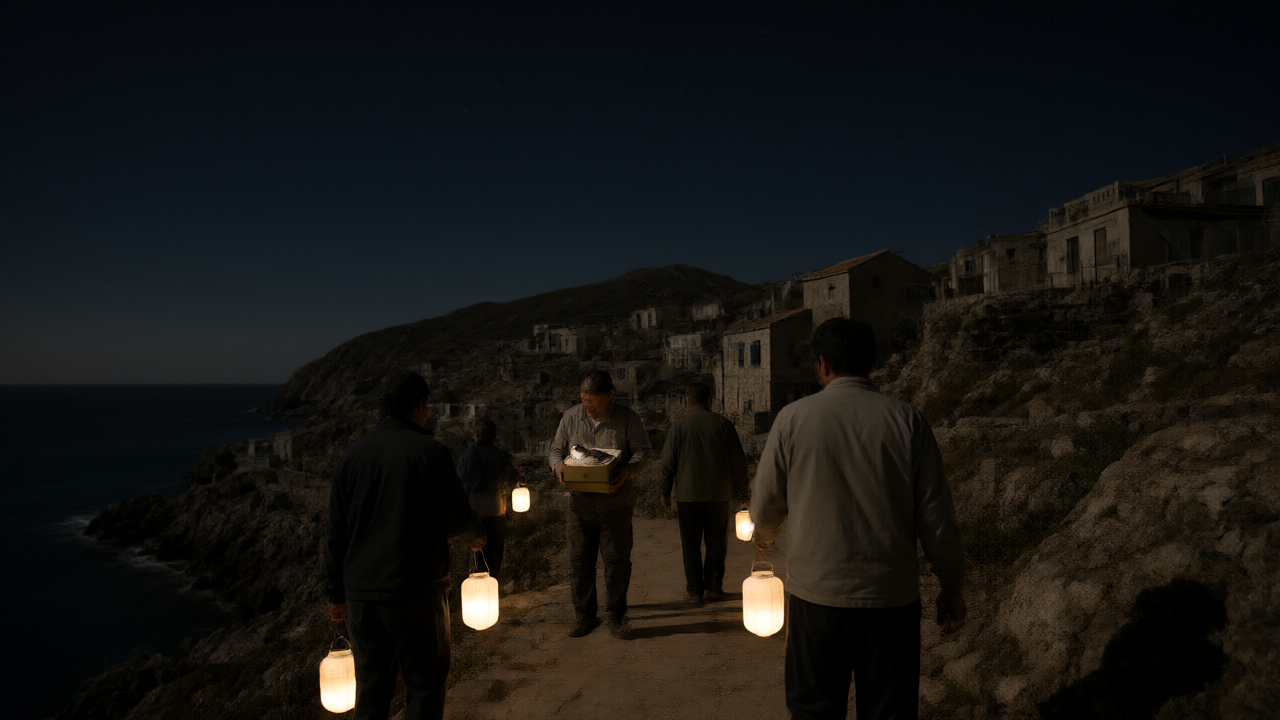
Every autumn, Corvo Island in Portugal’s Azores archipelago undergoes a deliberate transformation. The smallest and most northerly of the islands turns off its public lighting for five key nights, creating a sanctuary for endangered seabirds. This annual blackout is designed to help fledgling Cory’s shearwaters navigate toward the ocean using natural starlight, free from the disorienting glare of artificial illumination.
The initiative stems from a tragic observation made in 1991, when local residents noticed a high mortality rate among young shearwaters. These birds spend three months in their nests before attempting their first flight. Relying on stars for orientation, many juveniles became fatally confused by the glow of streetlights, leading them to crash into the narrow streets of Vila do Corvo, the island's only village.
In response, community members began night patrols to rescue fallen birds. This grassroots effort inspired broader action, leading the Azorean government to launch the SOS Cagarro campaign in 1995. The project expanded to include other islands in the archipelago, eventually gaining support from the Portuguese Society for the Study of Birds (SPEA) to enhance conservation efforts.
Today, Corvo remains unique in its commitment to a full blackout of public illumination. As the island sinks into darkness, the stars become clearly visible, guiding the birds on their journey. Residents walk through the village to locate and rescue any chicks that have landed on the ground, placing them in cardboard boxes overnight to recover.
The following day, rescued birds are released from a cliff near the ocean, giving them a second chance to reach their new home. Since 2015, the campaign has saved more than 30,000 Cory’s shearwater fledglings across the Azores, with approximately 6,000 rescued on Corvo alone. This collective effort highlights the significant impact of reducing light pollution on biodiversity.
The blackout serves as a powerful example of how small, intentional changes can restore ecological balance. It demonstrates a shift toward coexisting with nature without disrupting its natural rhythms. By prioritizing the needs of wildlife over convenience, the community has created a model for conservation that resonates beyond the Atlantic.
For observers, the story offers a message of hope, particularly when future generations are involved in protecting the planet. The initiative underscores the importance of teaching care for the environment and its beauty. It shows that human communities can adapt their habits to support the survival of endemic species.
“Corvo Island switches off all streetlights for five nights each autumn, allowing fledgling Cory’s shearwaters to navigate by starlight to the ocean.”
Sources
Reporting informed by Guardian Env. This story was written by the Glob News Desk based on verified reporting and independently reviewed before publishing.
Written by
Glob News Desk
AI-assisted editorial team
Stories researched and drafted with AI assistance from verified news sources, then reviewed by a human editor before publishing.
Spotted an error, or have something to say about this story?
Tell the newsroom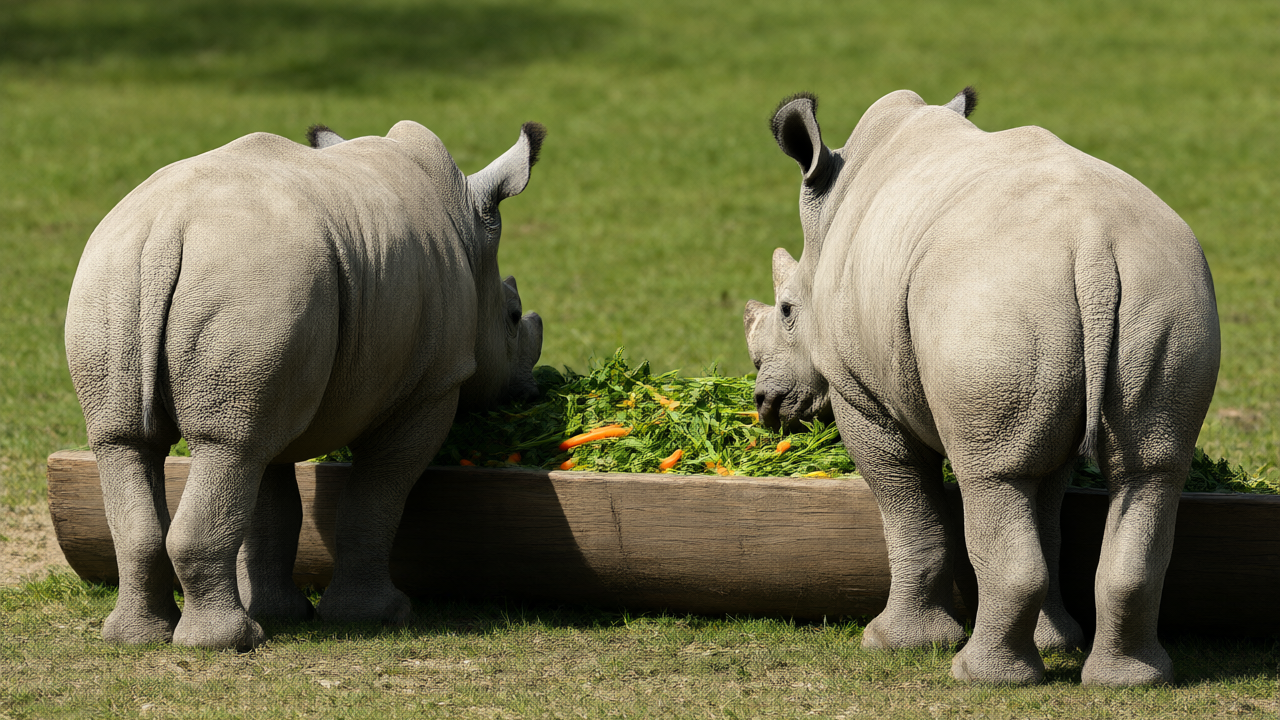
Read next
Rhino siblings Markus and Mo mark first birthday with special cake
Two white rhino calves born at a UK wildlife park celebrate their first year with healthy treats, marking a significant conservation milestone.
2 min read
The Weekly Globe
One email a week with the most-read stories. Unsubscribe anytime.
Related stories
PlanetRhino siblings Markus and Mo mark first birthday with special cake
 Planet
UK Experimental Farm Reverses Bird Population Decline
 Planet
Comments
0Join the conversation — sign in to post a comment.