UK Grid Issues Rare Backup Power Alert Amid Wind Slump
Britain's grid operator issued a rare morning alert for gas plants to stand by as low wind speeds threatened electricity supply margins.
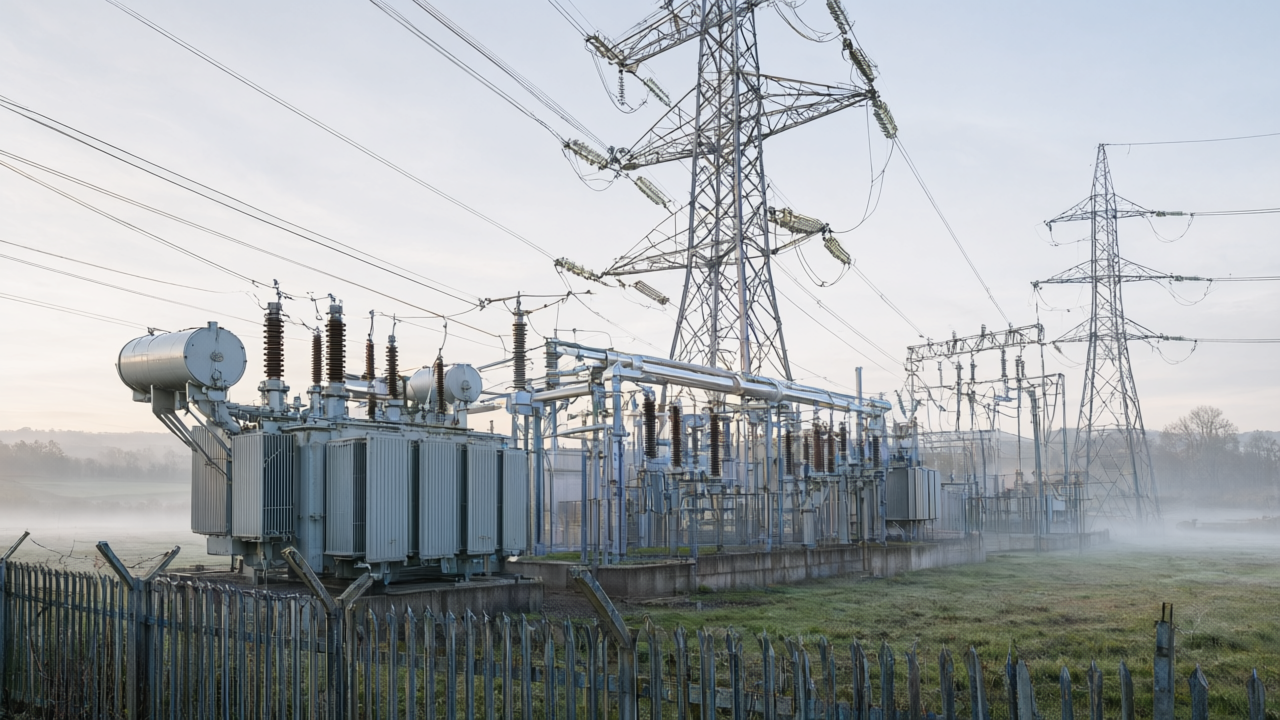
Britain’s national grid operator issued a rare early-morning alert on Monday, calling on gas power plants to prepare for immediate operation due to a shortfall in electricity supply. The notice, triggered by forecasted low wind speeds across Europe, highlighted the ongoing fragility of renewable energy integration during periods of calm weather.
The National Energy System Operator (Neso) announced the 'electricity margin notice' late Sunday night, warning of a potential deficit of nearly 1,400 megawatts between 6 am and 11 am. This volume is roughly equivalent to the output of a medium-sized gas-fired power plant. Operators were given eight hours to secure additional generation capacity before a scheduled review at 4 am.
Following the pre-dawn assessment, Neso issued a second notice indicating that last-minute market interventions had reduced the shortfall to 500 megawatts. While no further contingency power was deemed strictly necessary, the operator retained the ability to request increased generation from gas plants between 8 am and 11 am. Subsequent updates showed the gap narrowing further to 200 megawatts before the alert was fully cancelled just after 9 am.
Such margin notices are typically reserved for cold winter evenings when heating demand peaks. Their issuance during a mild autumn morning underscores the shifting challenges facing the UK’s energy system. Recent months have seen an uptick in these alerts, including unusual summer instances where heatwaves drove up demand while simultaneously reducing the efficiency of some power generation methods.
A spokesperson for Neso emphasized that the notice was a routine precautionary measure designed to give the market time to mobilize extra capacity. They clarified that there was no risk of power cuts or disruptions to customer supplies, stating that Great Britain’s electricity system remains secure despite the temporary imbalance.
The event occurred even though there were no physical constraints on the grid preventing wind farms or other plants from operating. Analysts suggest the issue stemmed from broader European conditions known as 'Dunkelflaute,' or dark doldrums, where prolonged periods of low wind and solar output reduce renewable generation across the continent. This phenomenon forced Neso to pay significantly higher prices earlier in the week to import power via subsea cables.
Independent energy consultant Kathryn Porter noted that costs for imported power reached £2,500 per megawatt-hour, with gas plant startup fees hitting £1,000 per megawatt-hour. These expenses are ultimately passed on to consumers through energy bills, adding pressure to household budgets already strained by volatile wholesale markets.
The incident adds to scrutiny surrounding Neso following an independent investigation that revealed cultural issues within its control room. Whistleblowers had previously accused the operator of concealing growing blackout risks and allowing corporate affairs teams to interfere with technical decisions to protect the government-owned entity’s reputation.
Separately, wholesale gas prices in both the Netherlands and the UK rose on Monday as colder weather forecasts boosted heating demand. Meanwhile, oil prices dipped slightly as diplomatic talks progressed, easing geopolitical risk.
“Britain's grid operator issued a rare morning alert for gas plants to stand by as low wind speeds threatened electricity supply margins.”
Sources
Reporting informed by Guardian Env. This story was written by the Glob News Desk based on verified reporting and independently reviewed before publishing.
Written by
Glob News Desk
AI-assisted editorial team
Stories researched and drafted with AI assistance from verified news sources, then reviewed by a human editor before publishing.
Spotted an error, or have something to say about this story?
Tell the newsroom
Read next
UK Firm's US Fracked Gas Trade Raises Health and Climate Concerns
Investigation reveals British company Ineos drives growth in US fracked ethane exports to Europe, sparking health concerns in Pennsylvania.
2 min read
The Weekly Globe
One email a week with the most-read stories. Unsubscribe anytime.
Related stories
PlanetUK Firm's US Fracked Gas Trade Raises Health and Climate Concerns
 Planet
Rare Pied Tamarin Twins Born at UK Zoo, Marking European Breeding Success
 Planet
Comments
0Join the conversation — sign in to post a comment.