The Art Prescription: How Monthly Gallery Visits Boost Mental Health
New research suggests that spending just 60 minutes in a gallery each month can significantly improve mental health and happiness.
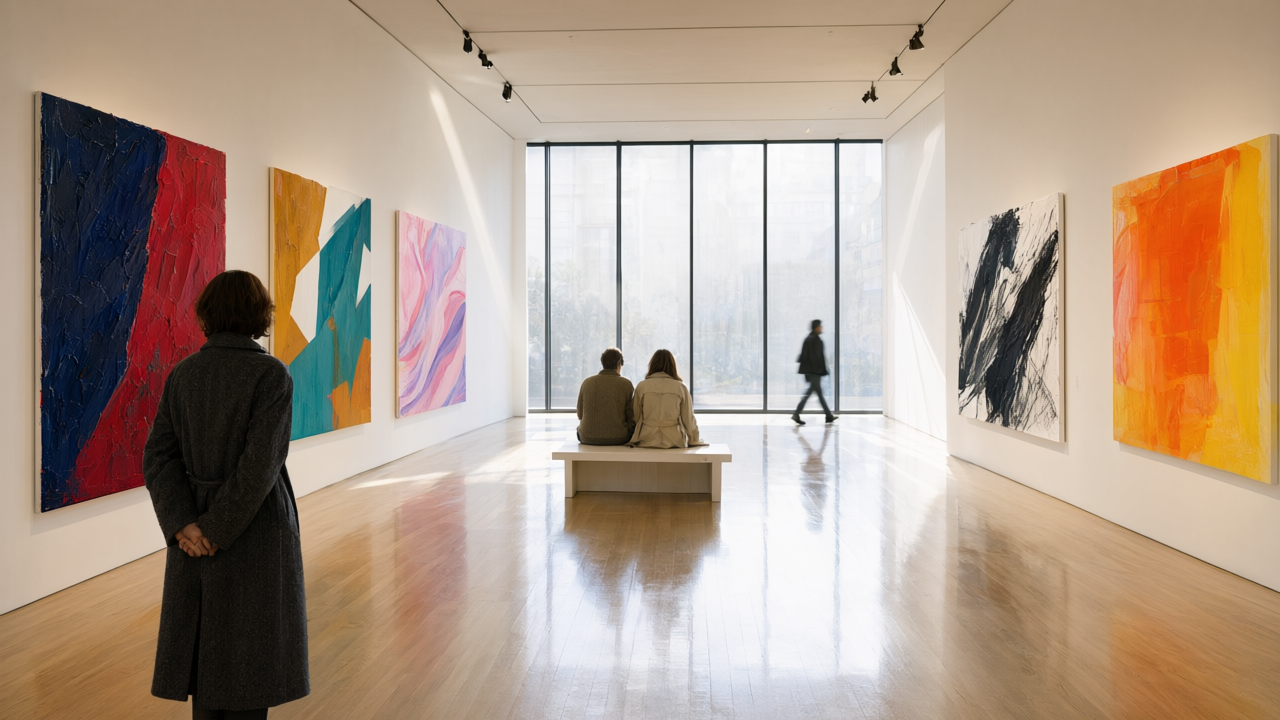
For decades, public health guidelines have emphasized the importance of eating five portions of fruit and vegetables daily and achieving 10,000 steps for optimal well-being. Now, researchers are adding a new recommendation to this list: a recommended dose of art. According to emerging studies, spending just 60 minutes in an art gallery or museum each month can serve as a powerful prescription for improving mental health and overall happiness.
This concept, termed the 'RDA' or recommended dose of art, positions cultural engagement alongside traditional health behaviors like balanced diets and regular exercise. The initiative is backed by a report from the Art Fund charity, featuring insights from Daisy Fancourt, a professor of psychobiology and epidemiology at University College London. Fancourt, who wrote the foreword to the report and the book 'Art Cure: The Science of How the Arts Transform Our Health', states that regular engagement with art is now recognized as a vital contributor to health and wellbeing.
The scientific evidence supporting this claim is robust. A study published in the British Journal of Psychiatry analyzed data from 2,148 adults in the English Longitudinal Study of Ageing. The findings revealed that individuals who visited museums, theaters, and cinemas once a month had a 48% lower risk of depression compared to those who did not. This significant reduction in depressive symptoms highlights the potential of art as a health-promoting behavior.
Beyond psychological benefits, there are tangible physiological impacts. Research published in the journal Brain, Behaviour and Immunity found that authentic art viewing engages biological processes linked to stress reduction and immune modulation. However, the study emphasized the importance of authenticity, comparing the effects of viewing original artworks in a gallery versus reproductions in a laboratory setting.
The results were clear: the positive physiological effects were not observed when participants viewed reproductions of the same works. This distinction rules out casual digital consumption, such as scrolling through phone wallpapers of famous paintings, as a substitute for the RDA. The physical presence and scale of original art appear necessary to trigger the beneficial biological responses.
While art has been a part of human civilization for tens of thousands of years, with examples like the 73,000-year-old drawings in Blombos Cave, the focus here is on frequency and duration rather than historical context. The goal is to make art appreciation a routine, manageable habit rather than an occasional grand event. Just 60 minutes a month is considered sufficient to yield these health benefits.
Experts suggest that this approach makes art accessible to everyone, regardless of their prior knowledge or interest in becoming more cultured. It is primarily about personal health and happiness. By integrating gallery visits into monthly routines, individuals can harness the therapeutic power of art without needing to become experts in art history or theory.
As public health strategies evolve, the integration of cultural activities into lifestyle advice may become more common. While the reference material humorously notes that one might say, "Thanks, I’ve been feeling great ever since my GP prescribed the Barbara Hepworth show," it does not confirm that doctors are currently prescribing art as a standard medical practice. Instead, the emphasis remains on individual choice and the recognition of art as a health-promoting behavior.
Ultimately, the 'art prescription' invites people to slow down and engage meaningfully with creative expressions. Whether it is standing before a sculpture, observing a painting, or attending a theater performance, these experiences offer a respite from daily stressors. Embracing this simple change could lead to a healthier, happier life, proving that art is not just a luxury, but a necessity for modern well-being.
“New research suggests that spending just 60 minutes in a gallery each month can significantly improve mental health and happiness.”
Sources
Reporting informed by The Guardian. This story was written by the Glob News Desk based on verified reporting and independently reviewed before publishing.
Written by
Glob News Desk
AI-assisted editorial team
Stories researched and drafted with AI assistance from verified news sources, then reviewed by a human editor before publishing.
Spotted an error, or have something to say about this story?
Tell the newsroom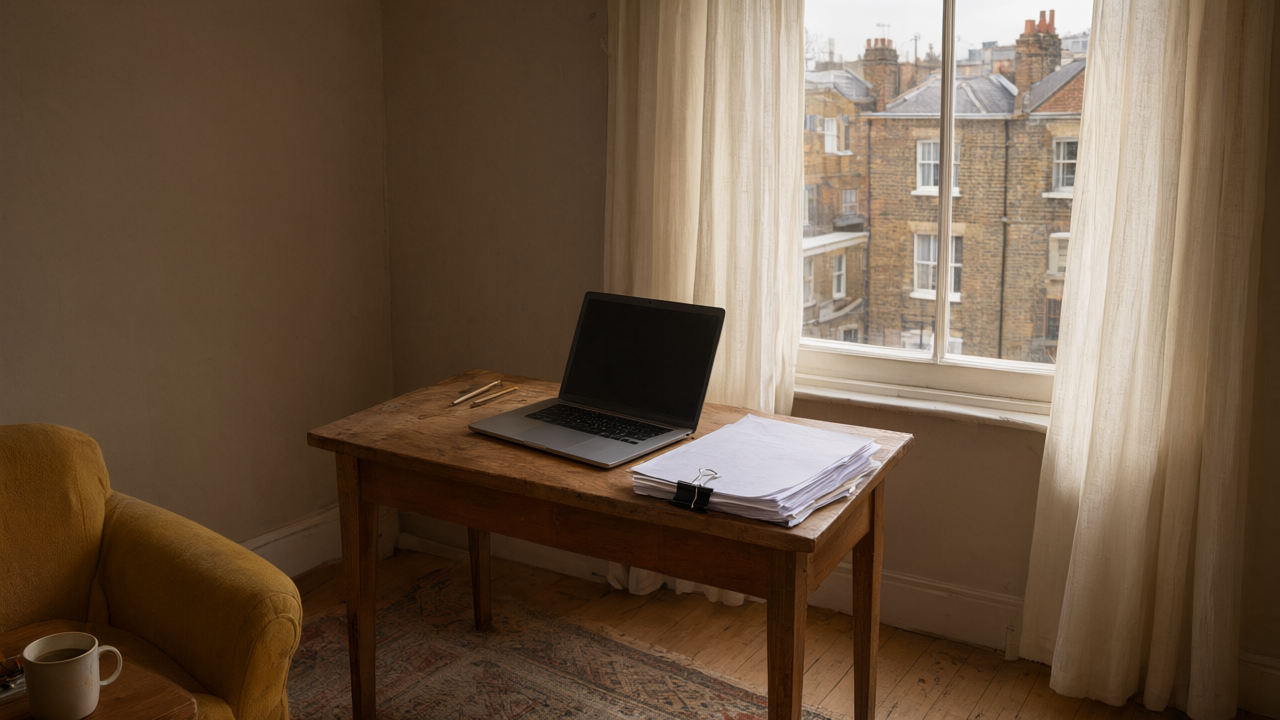
Read next
Fleabag Creator Donates London Flat to Tackle Theatre Class Barriers
Phoebe Waller-Bridge and fellow writers donate property to help disadvantaged artists live in the capital rent-free.
3 min read
The Weekly Globe
One email a week with the most-read stories. Unsubscribe anytime.
Related stories
CultureFleabag Creator Donates London Flat to Tackle Theatre Class Barriers
 Culture
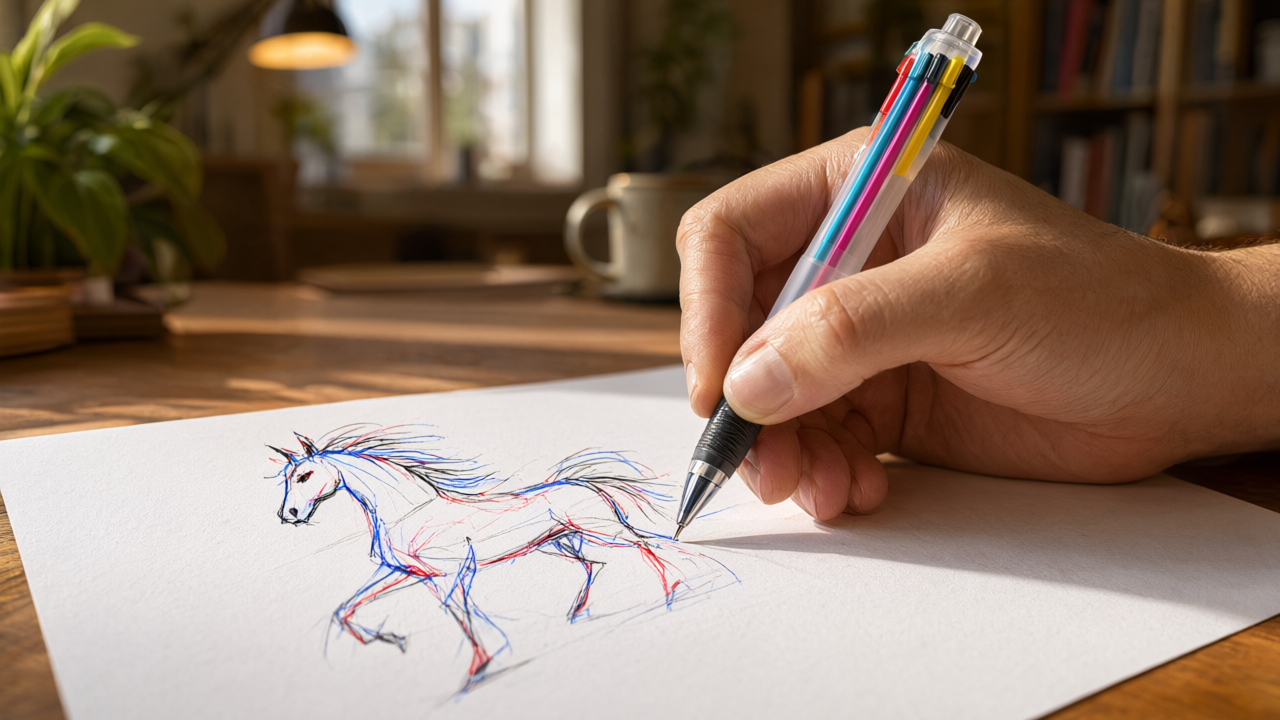
Comedian Andy Field’s Daily Horse Draw Captivates Millions
 Culture
Comments
0Join the conversation — sign in to post a comment.