Dumpster Divers: Turning Commercial Waste into Community Treasure
A growing community of dumpster divers is rescuing usable goods from commercial bins, saving money and reducing waste for those in need.
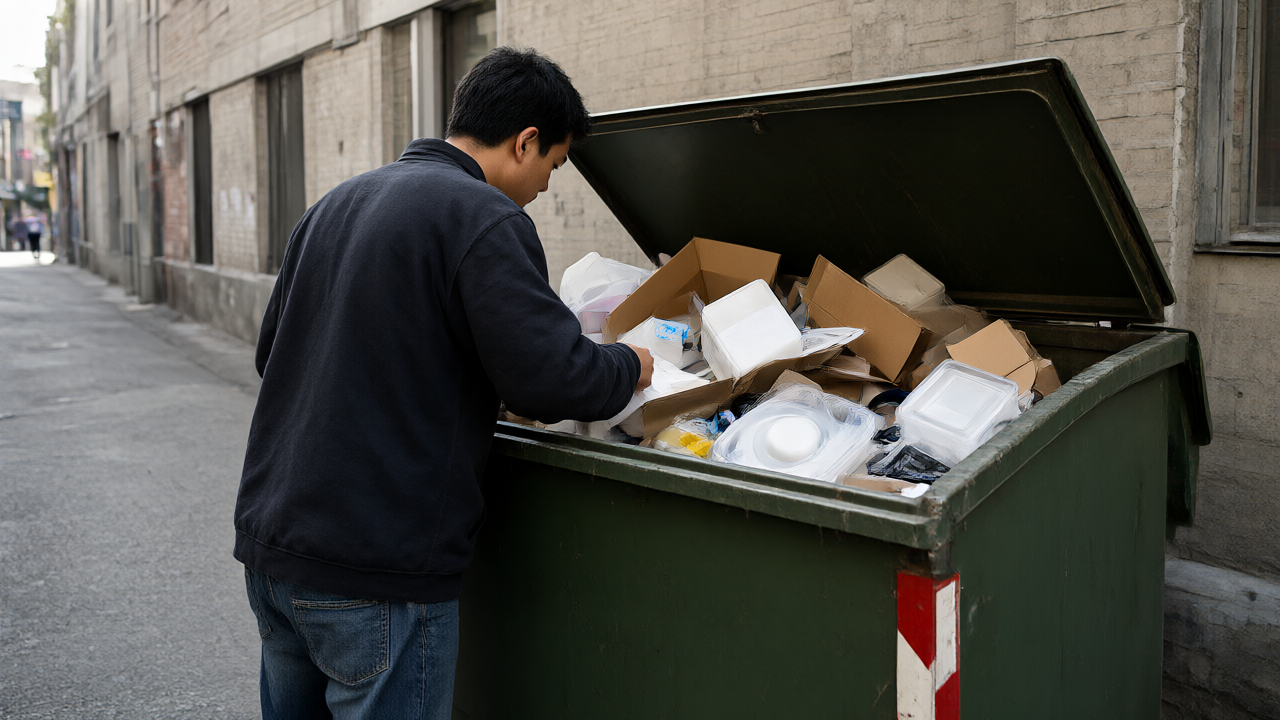
In neighborhoods across the United Kingdom and the United States, a quiet revolution is taking place in the shadows of supermarkets and retail stores. A growing number of individuals, known as dumpster divers, are rummaging through commercial waste bins to rescue perfectly good clothing, furniture, and household items that would otherwise be discarded. Motivated by a desire to save money, reduce environmental waste, or support charitable causes, these divers are transforming trash into treasure for themselves and their communities.
Darryl Baker, a freelance journalist and mother of two from north London, exemplifies this trend. After noticing piles of branded clothes from labels like Ralph Lauren, Nike, and The North Face being dumped outside her local supermarket, she asked staff for permission to take them. With approval granted, Baker has spent months salvaging items, providing entire new wardrobes for her children and keeping high-quality pieces for herself. She estimates that during a six-month period, she saved hundreds of pounds, with some items later donated or sold, such as a men's Barbour jacket that fetched £30.
The practice is not limited to the UK. In Fort Worth, Texas, 72-year-old Jeff Ferrell has been dumpster diving daily by bicycle for over 50 years. Ferrell, who considers himself a mix of Robin Hood and an anarchist activist, focuses on affluent neighborhoods where he finds valuable goods. He scrounges for metal to sell at scrapyards, earning around $150 every two weeks, while his wife sells antiques and jewelry found in bins on eBay. Together, they estimate their annual finds are worth tens of thousands of dollars, allowing them to live without purchasing basic necessities like soap, toiletries, or shoes.
For others, dumpster diving is a creative endeavor. Millie Diamond, a stylist based in London, uses Instagram to document her searches for discarded fabrics and vintage clothing. She transforms these materials into new fashion items, estimating that one dress she rescued was worth £600. Diamond began bin diving after discovering loads of vintage clothes discarded by a closed business, turning her hobby into a source of both income and artistic inspiration.
Timing plays a crucial role for some divers. Charlotte Bayford, a sales assistant from Essex, finds her best treasures when university students leave for the summer, discarding half-filled toiletries and other belongings. She has not bought shampoo in eight years, citing significant savings. Like many in the community, Bayford donates much of her finds to charity but also fills her home with salvaged objects and sells valuable items online.
Despite the benefits, the legality of dumpster diving varies significantly by location. In several US cities, including New York, Cleveland, and Wichita, the practice is illegal because discarded items are considered property of the city or private waste management companies. Divers also risk trespassing charges if they enter private property. In Fort Worth, removal is only permitted if the bins are on public land.
In the UK, the legal landscape is more nuanced. Sunjay Versani, a solicitor with Duncan Lewis, notes that prosecution is unlikely for genuinely discarded goods, but there is no universal rule that items in skips are free to take. He advises that the safest approach is always to seek permission from the business owner before removing anything.
While once considered taboo, dumpster diving is increasingly viewed with pride and shared openly on social media platforms. This shift reflects a broader cultural movement towards sustainability and resourcefulness, challenging traditional notions of consumption and waste. As more people join the ranks of dumpster divers, the practice continues to gain visibility, offering a practical solution to both economic pressures and environmental concerns.
“A growing community of dumpster divers is rescuing usable goods from commercial bins, saving money and reducing waste for those in need.”
Sources
Reporting informed by BBC Science. This story was written by the Glob News Desk based on verified reporting and independently reviewed before publishing.
Written by
Glob News Desk
AI-assisted editorial team
Stories researched and drafted with AI assistance from verified news sources, then reviewed by a human editor before publishing.
Spotted an error, or have something to say about this story?
Tell the newsroom
Read next
Scottish retiree builds dream Porsche from scratch at age 68
After missing out on a Porsche 904 in his youth, Bill Drysdale taught himself to weld and spent eight years constructing the iconic sports car.
3 min read
The Weekly Globe
One email a week with the most-read stories. Unsubscribe anytime.
Related stories
CultureScottish retiree builds dream Porsche from scratch at age 68
 Culture
The Unlikely Halloween Star: M&S Director Inspires Viral 'Gay Halloween' Trend
 Culture
Comments
0Join the conversation — sign in to post a comment.