Lara Croft at 30: Tomb Raider’s Glorious Highs and Notable Low Points
Three decades after her debut, we revisit the highs and lows of the iconic video game character who has sold over 100 million games.
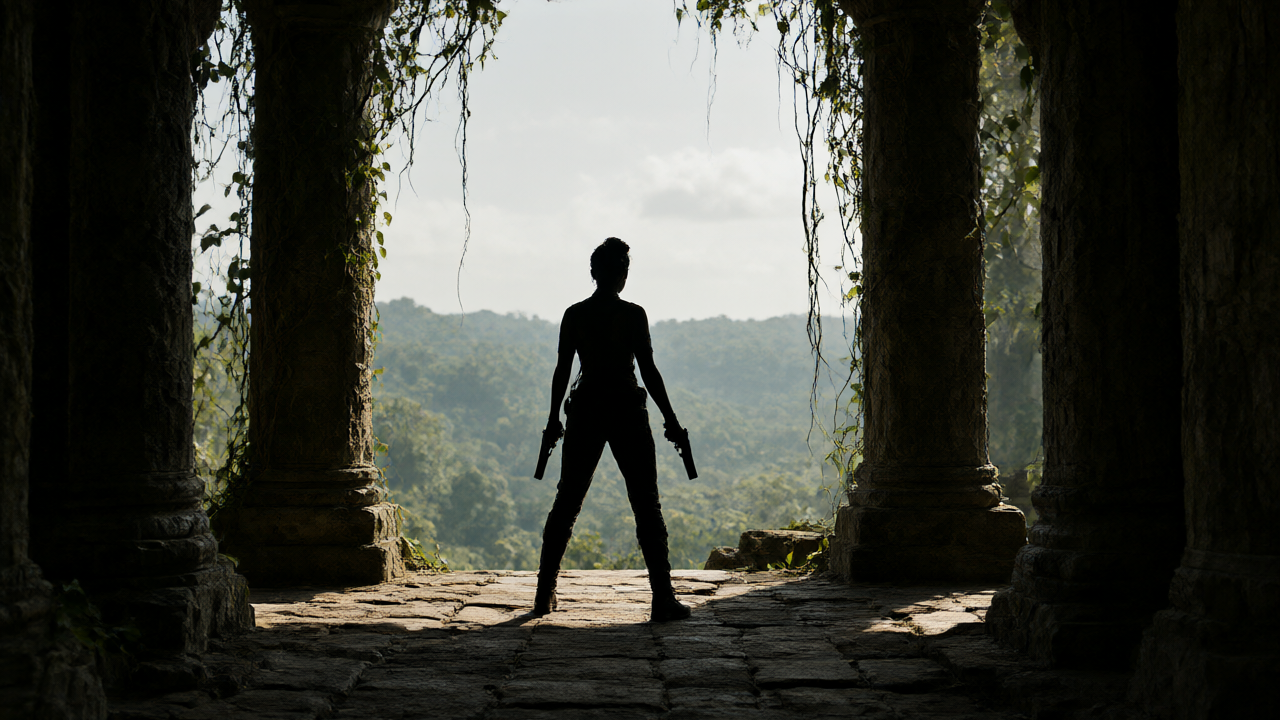
This month marks a significant milestone in gaming history: Lara Croft turns 30. Since Ms. Croft first swan-dived into our lives with her unique blend of athletic prowess, archaeological expertise, and distinctive design, she has become one of the most recognizable figures in pop culture. More than 100 million Tomb Raider games have been sold worldwide, cementing her status as a true industry icon.
The journey began in 1996, when no one predicted how successful this quiet game about a posh archaeologist would be. Developed by a small team in Derby and published by Eidos, the original title established Lara as a defining figure of the 90s. She embodied both the emerging 'girl power' movement and the era's broader media landscape, making video games cool for a mainstream audience and even appearing on the cover of major fashion publications like Face magazine.
Over the years, Lara’s image has been licensed for a multitude of products, ranging from cereal and soft drinks to reasonably priced Spanish hatchbacks. However, not all promotional campaigns hit the mark. A notable low point occurred in 1999 during a promo for a German women’s magazine, where Lara stated that what she really wanted was not an ancient artifact, but a big meringue wedding dress.
Another memorable misstep involved a strange Dreamcast advertisement where Lara discussed the console as if it were a jar of anti-ageing moisturiser. The campaign led an entire generation of consumers to attempt reducing the appearance of fine lines by rubbing Sega hardware on their faces, highlighting the sometimes bizarre intersection of gaming marketing and beauty standards.
As the franchise grew, so did the pressure on its creators. Once Eidos realized the commercial potential of the series, they launched an intensive production schedule, forcing developer Core Design to churn out a new Tomb Raider title every year. By 1999, the developers had had enough. In The Last Revelation, they decided to bury Lara under a collapsing pyramid at the end of the game. The news of her demise was tucked away towards the end of the design document, a gamble that paid off as publisher executives failed to read that far.
When the execs finally learned of Lara’s fate, they were furious but unable to change the ending. Instead, they pressured Core to find a narrative workaround to squeeze out one last PlayStation 1 adventure. The result was Tomb Raider: Chronicles, which begins with a memorial service for Lara and continues through flashbacks. Critics and fans alike largely dismissed the effort as a lackluster attempt to keep the brand alive.
The transition to the PlayStation 2 era brought mixed results. The Angel of Darkness, released in 2003, aimed for a mature and edgy tone but landed squarely in dull and depressing territory. The game missed the core appeal of exploring exotic locations, instead featuring a gloomy version of Paris filled with bugs and awful controls. A new strength mechanic forced players to build up Lara’s muscle before performing simple tasks, frustrating those accustomed to the series' earlier agility.
Perhaps the most significant shift came with the 2013 reboot by Crystal Dynamics. While solid and polished, it introduced annoying sidekicks, most notably Jonah. Unlike the solo adventurer vibe of the originals, Lara was now accompanied by characters who often created additional work for her. Jonah, described as feckless and prone to getting trapped or kidnapped, became a frequent liability throughout their adventures, contrasting sharply with the independent spirit that defined the early titles.
The franchise’s expansion into film also saw uneven success. While many middle-aged women hold a soft spot for the first Angelina Jolie outing, where Lara dispatches enemies without leaving her pyjamas, the follow-up, The Cradle of Life, was widely criticized as repetitive and inert. Casting choices for real-life Loras have also sparked controversy, such as model Nell McAndrew’s appearance in Playboy, which led to a lawsuit from Core Design over the sexualization of the character.
“Three decades after her debut, we revisit the highs and lows of the iconic video game character who has sold over 100 million games.”
Sources
Reporting informed by Guardian Culture. This story was written by the Glob News Desk based on verified reporting and independently reviewed before publishing.
Written by
Glob News Desk
AI-assisted editorial team
Stories researched and drafted with AI assistance from verified news sources, then reviewed by a human editor before publishing.
Spotted an error, or have something to say about this story?
Tell the newsroom
Read next
The Unlikely Halloween Star: M&S Director Inspires Viral 'Gay Halloween' Trend
A Marks & Spencer food director has become an unexpected internet icon, inspiring a niche but popular Halloween costume trend among fans.
3 min read
The Weekly Globe
One email a week with the most-read stories. Unsubscribe anytime.
Related stories
CultureThe Unlikely Halloween Star: M&S Director Inspires Viral 'Gay Halloween' Trend
 Culture
Sarah J Maas new novel release sparks ticket chaos and fan mania
 Culture
Comments
0Join the conversation — sign in to post a comment.