Japan's 'Haunted' Homes Offer Steep Discounts to Bargain Hunters
In Japan, properties where tragic deaths occurred are selling at steep discounts, creating a unique market for those willing to live with a 'ghost'.
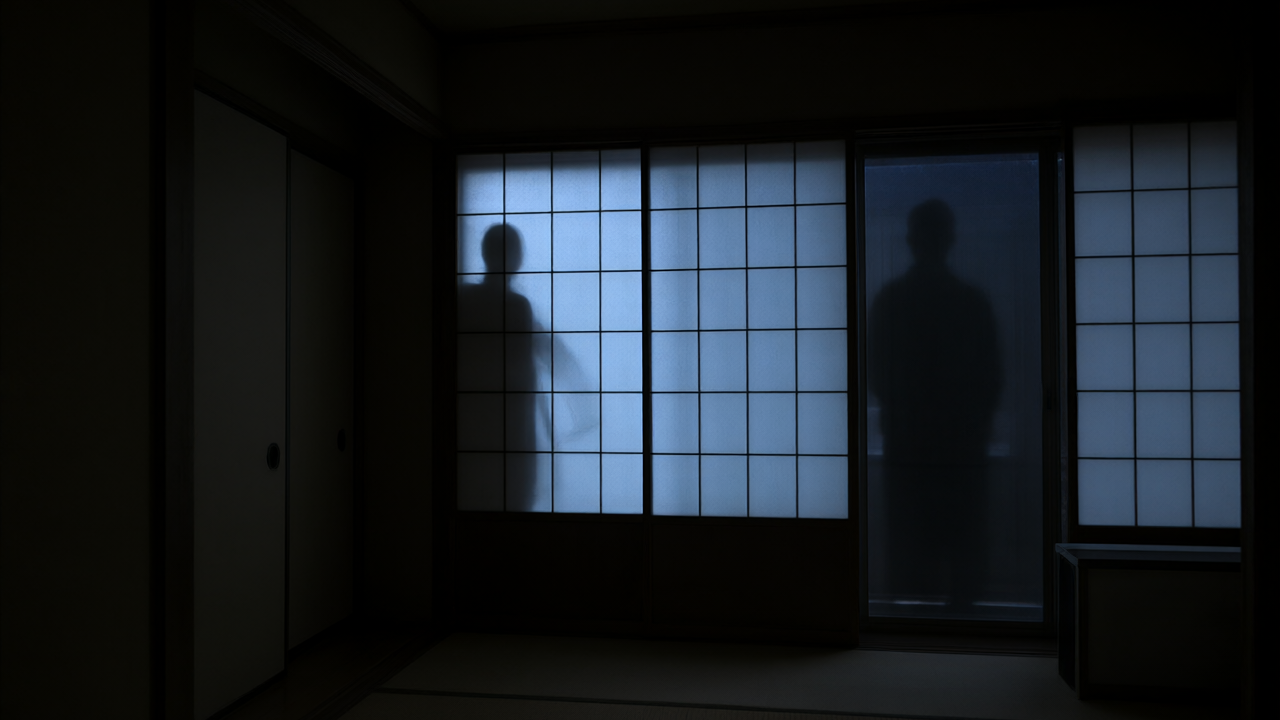
In Tokyo’s fashionable Setagaya ward, Ryua, an aidoru or young entertainer, walks into her rental apartment and immediately senses a presence. A man stands in the room, glaring at her. The estate agent sees nothing, but Ryua is certain she is being watched by a yuurei, a lingering spirit of someone who died violently or tragically. Rather than fleeing, she decided to move in, viewing the spectral resident as a potential friend.
Four years later, Ryua remains in the same 25-square-meter bedsit. She reports daily paranormal activity, including endless footsteps and voices. Her experience highlights a unique aspect of Japanese real estate: the market for jiko bukken, or 'stigmatized' properties. These are homes where suicide, murder, fire, or lonely deaths have occurred, offering significant financial incentives to those unbothered by superstition.
The practice of renting or buying these properties is regulated by government guidelines issued in 2021. Under these rules, Japanese estate agents must disclose if a death occurred on the premises due to suicide, murder, fire, or if the body was not discovered for an extended period. For rentals, this disclosure must be maintained for three years; for sales, it is indefinite. This transparency creates a niche market where non-superstitious buyers can secure substantial discounts, sometimes up to 30% off standard rents or half the asking price for homes.
Ryua pays 45,000 yen ($285) monthly for her apartment, a significant reduction from the typical 62,000 yen rate for similar units in the area. The discount was applied because a previous tenant died by suicide in the unit. While such events might deter tenants globally, in Japan, the stigma is particularly potent due to cultural beliefs surrounding yuurei, which are thought to remain if the deceased died alone or in distress.
Erik Oskamp, a Tokyo-based estate agent, notes that Japanese renters are especially sensitive to these stigmas. Even apartments adjacent to cemeteries can be difficult to lease if the graves are visible from the kitchen. The worst-case scenario for landlords is often a suicide, which can lead to immediate vacancies as tenants refuse to stay. However, this aversion creates opportunities for pragmatic investors and residents.
For Diane Tincher, an American tour guide living in rural Kagoshima, the stigma translated into a major bargain. She purchased a large three-bedroom house for 20 million yen, roughly half the local average of 45 million yen. The property was stigmatized because an elderly woman had died alone there. Tincher, who does not believe in ghosts, views the deceased woman as a benefactor who enabled her affordable housing.
Finding these properties is facilitated by platforms like Oshimaland, launched in 2005. The site crowdsources data on jiko bukken across Japan and internationally, detailing the nature of the incidents. As housing costs surge nationwide, the appeal of these discounted homes is growing. A 2025 survey indicated that more than half of Japanese people would consider renting a stigmatized property if the price were low enough.
Culturally, the acceptance of these spirits varies. Many Japanese take yuurei seriously year-round, not just during Halloween celebrations. The belief is that these troubled spirits deserve respect rather than fear. For residents like Ryua, coexisting with a ghost is a matter of mutual tolerance, acknowledging that the spirit was once a human being deserving of dignity.
This market segment reflects broader shifts in Japan’s housing landscape. With rising living costs and limited inventory, economic practicality is increasingly outweighing traditional taboos. For those willing to look past the supernatural, Japan’s haunted home market offers a rare combination of affordability and cultural immersion.
“In Japan, properties where tragic deaths occurred are selling at steep discounts, creating a unique market for those willing to live with a 'ghost'.”
Sources
Reporting informed by BBC Business. This story was written by the Glob News Desk based on verified reporting and independently reviewed before publishing.
Written by
Glob News Desk
AI-assisted editorial team
Stories researched and drafted with AI assistance from verified news sources, then reviewed by a human editor before publishing.
Spotted an error, or have something to say about this story?
Tell the newsroom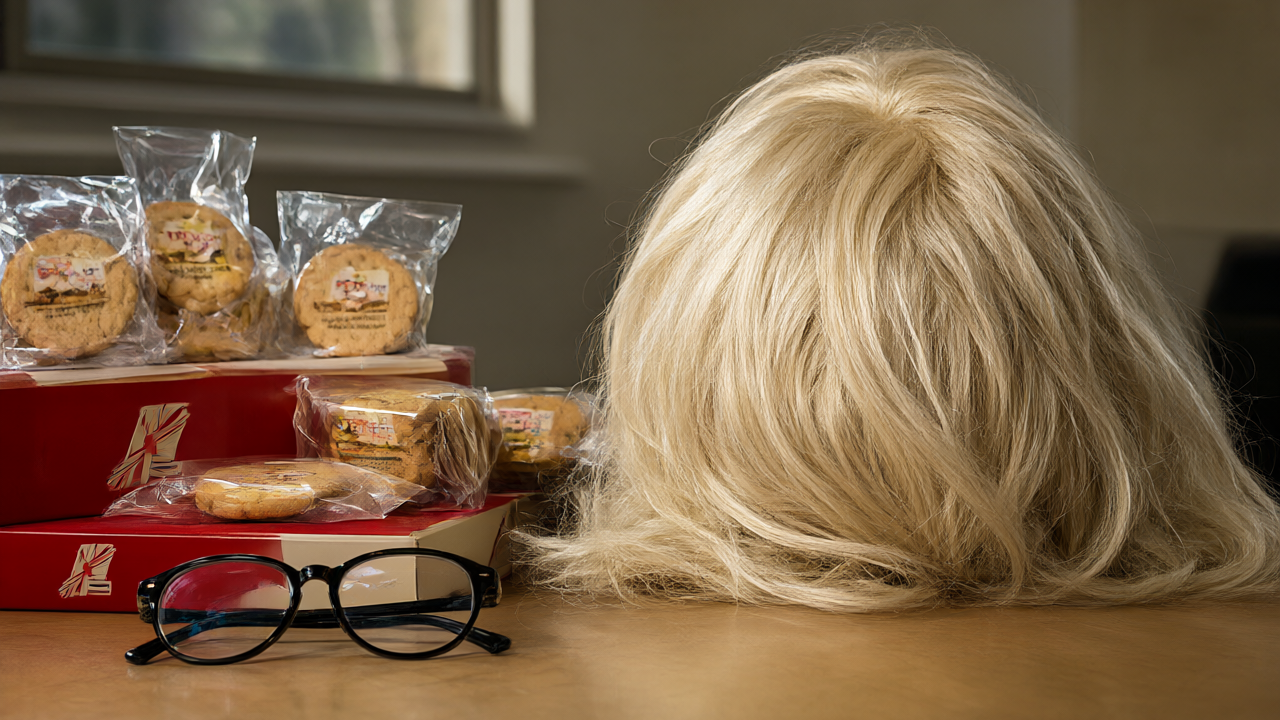
Read next
The Unlikely Halloween Star: M&S Director Inspires Viral 'Gay Halloween' Trend
A Marks & Spencer food director has become an unexpected internet icon, inspiring a niche but popular Halloween costume trend among fans.
3 min read
The Weekly Globe
One email a week with the most-read stories. Unsubscribe anytime.
Related stories
CultureThe Unlikely Halloween Star: M&S Director Inspires Viral 'Gay Halloween' Trend
 Culture
Sarah J Maas new novel release sparks ticket chaos and fan mania
 Culture
Comments
0Join the conversation — sign in to post a comment.