From Belfast Murals to Narnia: The Real Landscapes Behind C.S. Lewis’s Fantasy
As Netflix prepares its new adaptation, we trace the real-world inspiration for The Chronicles of Narnia across Northern Ireland's historic streets and rugged hills.
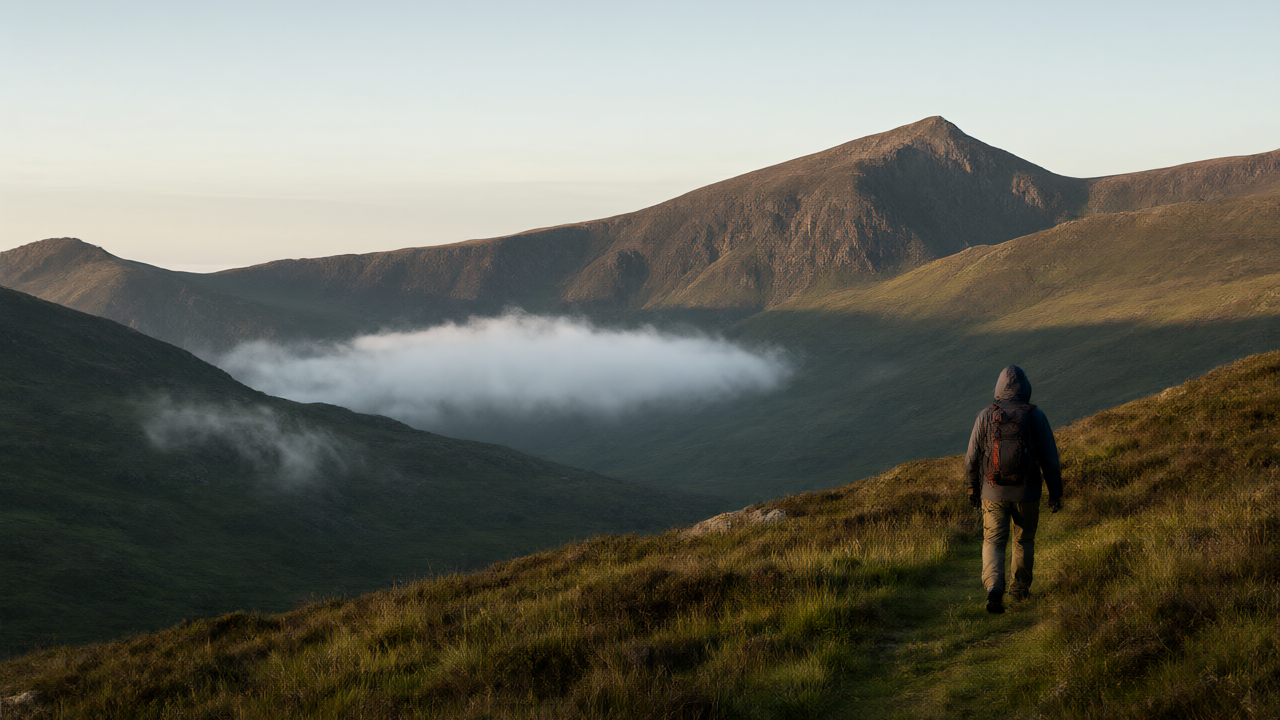
Ahead of the premiere of Netflix’s new adaptation of The Chronicles of Narnia in early 2027, the mystical landscapes that inspired C.S. Lewis are coming into sharper focus. While the books have long captivated readers worldwide, the physical geography of Belfast and the surrounding counties holds the key to understanding how a boy from a working-class neighborhood imagined a world of talking lions and eternal winters.
In the tough, working-class streets of east Belfast, where paramilitary murals have historically dominated the gable walls, a different kind of legacy is now being celebrated. Local artists have begun integrating characters from Lewis’s fantasy series alongside traditional political imagery. In the Holywood Arches neighborhood, CS Lewis Square features metal sculptures of beloved figures like Mr. Beaver and Mr. Tumnus, anchored by a gigantic Aslan towering over a circular mound.
Lewis was born in Dundela in 1898. Although his original terrace home has been demolished and replaced by modern flats, the city retains strong connections to his life. A short walk away, St Mark’s church on the Holywood Road houses a brass lion’s head doorknob replica. This detail connects to Lewis’s grandfather, Rev Thomas Hamilton, who ministered there for 13 years. The original knob has been removed for safekeeping, but the replica attracts thousands of visitors annually.
The family moved in 1905 to Little Lea, a large redbrick house on Circular Road. Though the area has since been absorbed by urban growth, the property remains privately owned and visible through iron gates. Lewis described this home in his autobiography, Surprised By Joy, as feeling less like a house than a city, filled with long corridors and empty sunlit rooms. This sense of expansive interior space directly influenced the opening scenes of The Magician’s Nephew and The Lion, the Witch and the Wardrobe.
Beyond the city limits, the natural landscape provided the backdrop for Narnia’s vast wilderness. Lewis and his brother Warnie enjoyed considerable freedom to wander the fields, hills, and woodland glens fringing Belfast. Today, routes like Belmont Road climb dramatically out of the city into high ground offering panoramic views of Bangor and Newtownards.
Scholars and fans often point to the Whitespots country park near Newtownards as a likely inspiration for the stone table where Aslan is sacrificed. From these crags, one can look south across the plain of Down toward the Mourne Mountains. Lewis once told his brother that the view from the Mournes above Rostrevor, looking down over Carlingford Lough, was his idea of Narnia. A bench at Kilbroney Forest Park bears this sentiment stenciled on its surface.
Further north, the debate continues regarding the inspiration for Cair Paravel, the castle capital of Narnia. Some point to the precipitous ruins of Dunluce Castle near Portrush, while others favor the Mussenden Temple at Downhill Demesne near Castlerock. The temple, perched on a cliff edge, fits Lewis’s description of a great star resting on the seashore more closely than the rugged coastal fortress.
Lewis wrote his autobiography concurrently with producing the seven Narnia books, suggesting a direct bleed between memory and imagination. The wholesome pastoral images of his creation now sit within a complex cultural tapestry in Belfast, sandwiched between paintings glorifying past conflicts. Yet, the presence of Aslan on these walls offers a universal symbol of hope.
The first film in the new Netflix series, Narnia: The Magician’s Nephew, will be released in cinemas on February 12, 2027, followed by a streaming debut on April 4. For those seeking to walk in Lewis’s footsteps, the journey from east Belfast’s industrial heartland to the romantic escapism of the Mourne Mountains remains open.
“As Netflix prepares its new adaptation, we trace the real-world inspiration for The Chronicles of Narnia across Northern Ireland's historic streets and rugged hills.”
Sources
Reporting informed by Guardian Life. This story was written by the Glob News Desk based on verified reporting and independently reviewed before publishing.
Written by
Glob News Desk
AI-assisted editorial team
Stories researched and drafted with AI assistance from verified news sources, then reviewed by a human editor before publishing.
Spotted an error, or have something to say about this story?
Tell the newsroom
Read next
The Unlikely Halloween Star: M&S Director Inspires Viral 'Gay Halloween' Trend
A Marks & Spencer food director has become an unexpected internet icon, inspiring a niche but popular Halloween costume trend among fans.
3 min read
The Weekly Globe
One email a week with the most-read stories. Unsubscribe anytime.
Related stories
CultureThe Unlikely Halloween Star: M&S Director Inspires Viral 'Gay Halloween' Trend
 Culture
Sarah J Maas new novel release sparks ticket chaos and fan mania
 Culture
Comments
0Join the conversation — sign in to post a comment.