Gen Z Defies Auto Trends With Cash-Buying Y2K Cars
Young Americans are bypassing expensive new SUVs for affordable, fixable used cars from the late 1990s and early 2000s.
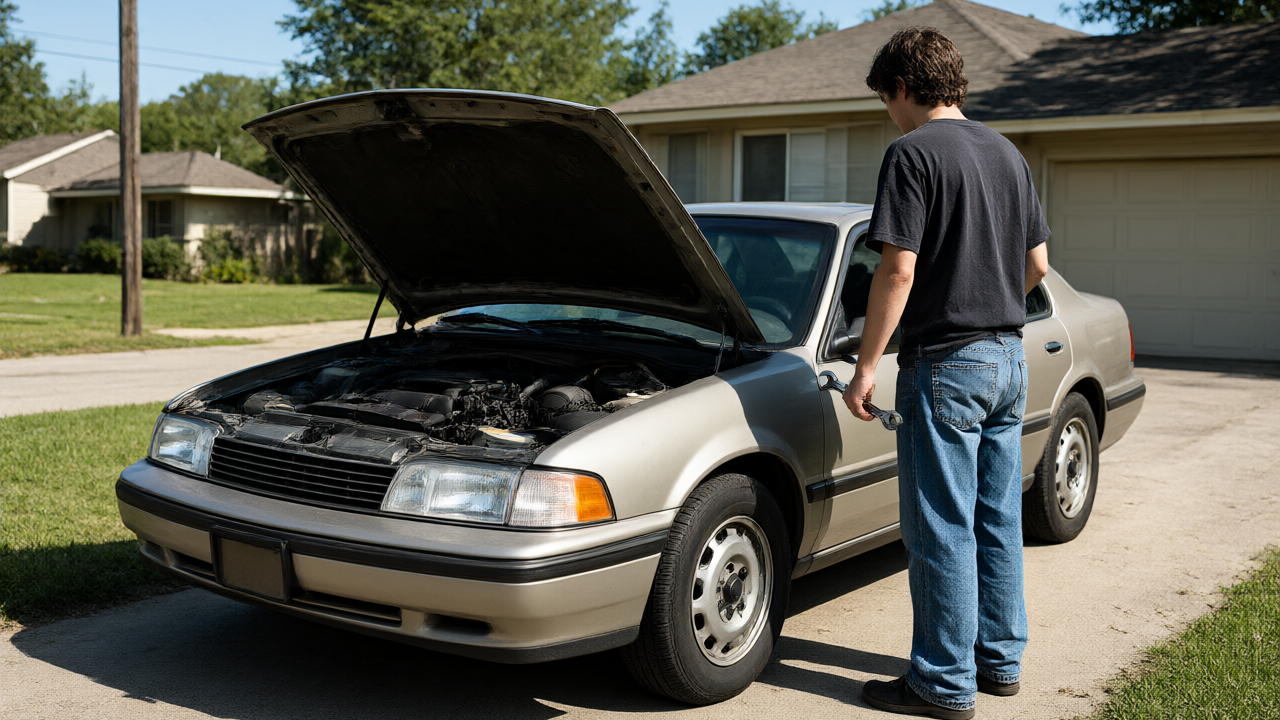
A quiet revolution is reshaping the American automotive landscape as younger drivers increasingly reject the traditional path of buying new vehicles. Instead of financing massive SUVs with steep loans, Generation Z and younger millennials are hunting for no-frills, affordable used cars that they can pay for in cash and repair themselves. This shift defies long-standing expectations that car ownership for young adults requires taking on significant debt to purchase modern, high-tech models.
Jack Price, a 30-year-old Marine living in Los Angeles, exemplifies this trend. After joining the service in 2021, he needed reliable transportation but could not afford a new vehicle. Following a difficult search through online marketplaces, his mother found a listing for a 2010 Volkswagen Jetta with 60,000 miles on the odometer. The manual-transmission car was mechanically sound, featuring working air conditioning, a sunroof, and Bluetooth. Price paid $6,000 in cash, securing what he now calls the "Pewter Pebble."
Five years later, the Jetta remains Price’s primary mode of transport. He has driven it extensively across bases and cross-country, often subjecting it to rough use. While older generations may criticize his choice of vehicle, Price notes that his peers do not share those judgments. For many in his demographic, the appeal lies in the car’s reliability and the absence of financial strain, allowing them to navigate life without the burden of monthly payments.
The move away from new cars reflects broader economic pressures. The average price of a new vehicle in the United States now exceeds $50,000, driven by consumer demand for larger SUVs and pickups. Consequently, adults under 35 have become a minority on showroom floors, accounting for less than 10% of new vehicle registrations in 2024. Credit reporting agency Experian data shows the average monthly payment for a new car is $765, while used cars average $542, with loan terms extending to six or seven years.
For young Americans already managing student loans, high housing costs, and a challenging labor market, these figures are prohibitive. Edmunds reports that 21% of new-car buyers pay $1,000 or more monthly, a figure that excludes maintenance, fuel, and insurance premiums, which are often higher for younger drivers. This financial reality has made purchasing even newer used cars difficult, pushing buyers toward older models that can be paid for outright.
The preferred vehicles are often referred to as "Y2K cars," representing models from the late 1990s and early 2000s that are known for their durability. These include wedge-shaped Honda Accords and slab-sided Toyota Camrys, which can last over 150,000 miles with routine care. Charlie Spears, a service adviser in Atlanta, notes that buyers want cars that will not fail them. These vehicles are economical to run, inexpensive to insure due to their lower value, and affordable enough to buy with cash.
Beyond economics, the Y2K car offers a different driving experience. Many young buyers appreciate the lack of complex dashboard infotainment screens and digital controls found in modern vehicles. Automakers’ focus on monetizing in-car technology, such as charging extra for heated seats or remote start, has reinforced doubts about the value of new cars. Older models feature physical switches and knobs that are intuitive and easy to use.
Social media has turned these older cars into an ironic status symbol, representing maturity and grit. Defects like broken air conditioning or glitchy windows are often embraced as part of the car’s personality rather than viewed as failures. This DIY ethos contrasts sharply with modern automotive trends, where manufacturers restrict access to diagnostic tools and software, making independent repairs increasingly difficult for owners and mechanics alike.
As the supply of affordable used vehicles dwindles, with inventory under $15,000 dropping from 21% to 15% in a year, demand for Y2K cars continues to rise. Consumer Reports expert Keith Barry attributes this partly to nostalgia, noting that an old car with familiar music feels like a time machine. For buyers like Price, the romance lies in the ability to maintain and understand their vehicle, creating a sense of independence and self-reliance that modern cars rarely offer.
“Young Americans are bypassing expensive new SUVs for affordable, fixable used cars from the late 1990s and early 2000s.”
Sources
Reporting informed by Guardian Tech. This story was written by the Glob News Desk based on verified reporting and independently reviewed before publishing.
Written by
Glob News Desk
AI-assisted editorial team
Stories researched and drafted with AI assistance from verified news sources, then reviewed by a human editor before publishing.
Spotted an error, or have something to say about this story?
Tell the newsroom
Read next
The Unlikely Halloween Star: M&S Director Inspires Viral 'Gay Halloween' Trend
A Marks & Spencer food director has become an unexpected internet icon, inspiring a niche but popular Halloween costume trend among fans.
3 min read
The Weekly Globe
One email a week with the most-read stories. Unsubscribe anytime.
Related stories
CultureThe Unlikely Halloween Star: M&S Director Inspires Viral 'Gay Halloween' Trend
 Culture
Sarah J Maas new novel release sparks ticket chaos and fan mania
 Culture
Comments
0Join the conversation — sign in to post a comment.