Electric Ferries Take Flight: The Future of US Waterways
Hydrofoil technology and battery power are transforming American ferry services, offering a quieter, cleaner alternative to diesel engines.
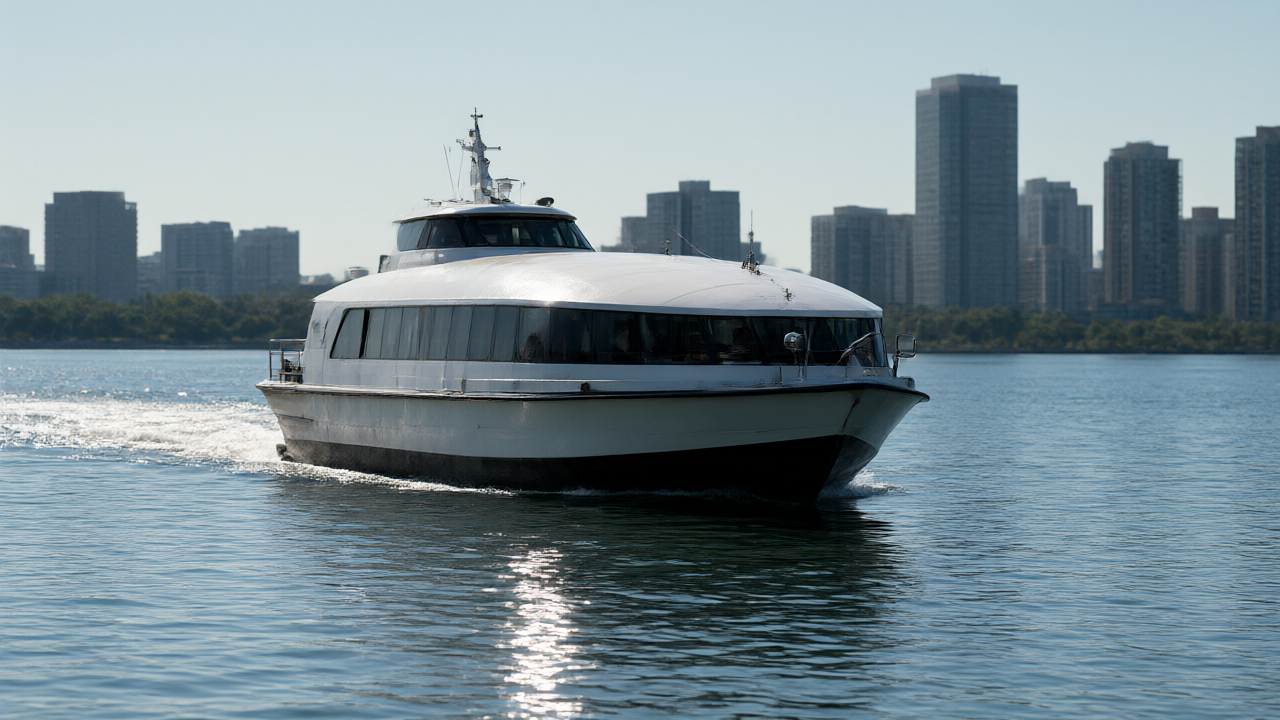
A sleek white vessel glides through New York Harbor, its hull lifting about a foot and a half above the water as it accelerates past the Statue of Liberty. Passengers on nearby sightseeing boats watch in curiosity as this electric hydrofoil transforms the choppy ride into a smooth, almost airborne glide. This is not a futuristic concept but a present reality, as companies like Vessev demonstrate how advanced marine engineering can tackle one of transportation’s biggest challenges: making water travel efficient enough to go fully electric.
The secret lies in the hydrofoil design. Traditional boats fight against significant water resistance, which requires substantial energy to overcome. By using underwater wings to lift the hull out of the water at speed, these vessels dramatically reduce drag. Eric Laakmann, chief executive and co-founder of Vessev, explains that this reduction in drag is what makes electrification viable. Without the need to push heavy weight through dense water, the boat can move more efficiently, allowing for smaller, lighter battery packs that lower both cost and environmental impact.
Electrifying maritime transport is complex. Unlike cars that charge overnight at home, ferries must adhere to strict timetables, completing repeated trips with limited downtime for recharging. Operators must carefully balance vessel range, passenger capacity, and shore-side charging infrastructure. While efficiency gains are significant, the transition also requires logistical precision to ensure service remains reliable while switching from fossil fuels to electricity.
Vessev, which currently operates in New Zealand and is expanding to Australia, plans to launch its first US service at Lake Tahoe. Laakmann envisions a future where electric ferries become as routine as buses or taxis, connecting communities without adding vehicles to congested roads. When powered by clean electricity, these vessels offer a tangible way to cut greenhouse gas emissions and improve air quality around busy waterfronts.
This innovation is part of a broader global shift. In Stockholm, commuters already ride electric hydrofoils built by the Swedish company Candela, which claims an 80% reduction in energy use compared to conventional vessels. Norway has ordered 20 such boats for coastal service, signaling strong international confidence in the technology’s potential to revolutionize public transit.
In San Francisco, the largest ferry operator is preparing for a major overhaul. The agency, which carries 3.5 million passengers annually, currently relies entirely on diesel-powered vessels. Over the next two years, it will introduce four battery-powered ferries as part of a half-billion-dollar investment in electric infrastructure. Although these new boats will not be hydrofoils, they will make San Francisco the first ferry operator in the United States to operate high-speed, all-electric ferries.
Financial considerations drive much of this transition. While the upfront costs for electric vessels and charging stations are higher, operators anticipate long-term savings through reduced fuel and maintenance expenses. With diesel prices rising and battery technology improving, the economic case for electrification is becoming stronger, even if every route is not yet suited for full electric conversion.
The shift promises benefits beyond just cleaner air. More efficient designs open up routes that were previously impractical, potentially lowering operating costs and expanding connectivity. As climate goals increasingly align with economic incentives, the adoption of electric ferries may accelerate, transforming how Americans commute across the nation’s extensive waterways.
“Hydrofoil technology and battery power are transforming American ferry services, offering a quieter, cleaner alternative to diesel engines.”
Sources
Reporting informed by Guardian Tech. This story was written by the Glob News Desk based on verified reporting and independently reviewed before publishing.
Written by
Glob News Desk
AI-assisted editorial team
Stories researched and drafted with AI assistance from verified news sources, then reviewed by a human editor before publishing.
Spotted an error, or have something to say about this story?
Tell the newsroom
Read next
Starbucks Tests AI to Personalize Drive-Thru Experience
Starbucks CEO Brian Niccol reveals plans to use AI for recognizing customers and displaying personalized menus at drive-thrus starting in 2027.
2 min read
The Weekly Globe
One email a week with the most-read stories. Unsubscribe anytime.
Related stories
TechnologyStarbucks Tests AI to Personalize Drive-Thru Experience
 Technology
Apple Brings AI Tools to China with iOS 27.3 Update
 Technology
Comments
0Join the conversation — sign in to post a comment.