Travelers Seek Meaning in Conservation Holidays
From coral restoration in Tanzania to rewilding in Scotland, travelers are choosing holidays that actively restore ecosystems.
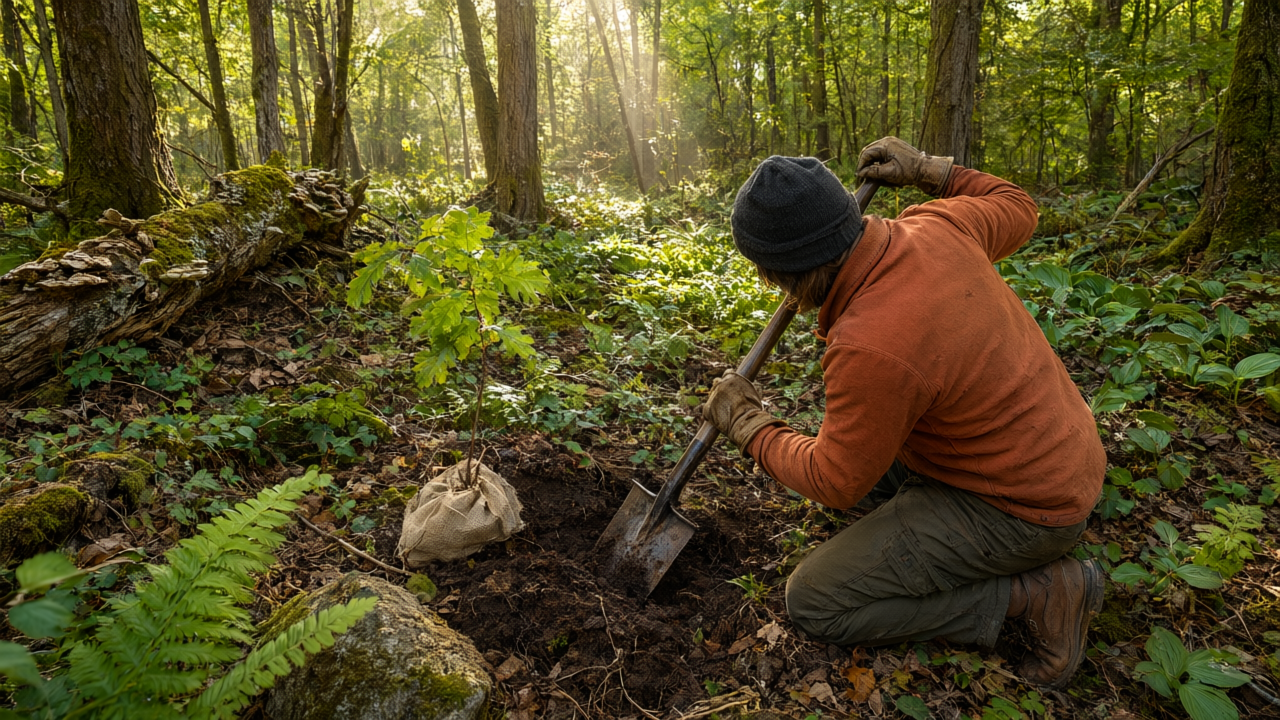
A growing number of travelers are shifting their focus from passive sightseeing to active participation in environmental restoration. As concerns over climate change and biodiversity loss intensify, tourists are increasingly seeking experiences where their presence contributes directly to ecological recovery. From regrowing coral reefs in the Indian Ocean to replanting ancient forests in Europe, conservation tourism is evolving into a significant sector of the global travel industry.
In the Mafia Island Marine Park off the coast of Tanzania, visitors can engage with The Ropes of Hope, a project dedicated to coral reef restoration. Rather than simply observing shrinking reefs through scuba diving, participants join efforts led by South African molecular biologist Jean de Villiers. Travelers assist in underwater coral gene bank research and community involvement initiatives. Accommodations include ocean-view tree houses, offering guests a chance to immerse themselves in both the scientific work and the natural beauty of the region.
Similarly, in the Scottish Highlands, Trees for Life offers volunteers the opportunity to help restore the Caledonian forest, one of the UK’s largest wild native forests. Founded four decades ago, the project invites groups of adults to stay in remote bothies, living and cooking together while undertaking tasks such as planting trees, monitoring wildlife, and surveying vegetation. Participants experience life without modern distractions like Wi-Fi, focusing instead on hard physical work in some of Scotland’s most beautiful and isolated locations.
In the Netherlands, the Holenberg forest serves as the gateway to the Maashorst nature reserve, where eco-conscious accommodation plays a central role in minimizing human impact. Visitors stay in self-sufficient wooden cabins designed to reduce negative environmental footprints, utilizing recycled materials for items like cups and cutlery. The experience encourages guests to disconnect from technology, often spending evenings gazing at stars or exploring the surrounding wetlands and heather landscapes on bicycles or foot.
Conservation efforts also extend to agricultural and urban spaces. In South Tyrol, Italy, the family-run Rinner Hotel centers its operations around apiculture. Guests participate in beekeeping courses and enjoy wellness experiences that involve inhaling beehive air. The hotel generates electricity from waste wood products and sources food locally, including organic wheat and barley. This immersive approach allows visitors to understand the critical role bees play in sustainability and local ecosystems.
In Uganda, Ziwa Rhino and Wildlife Ranch provides one of the few places in the country to see wild rhinos. Visitors embark on guided treks along winding paths, aiming to spot endangered rhinos in their natural habitat. The experience is described as intense and unpredictable, with guides treating the trek like a game where spotting multiple rhinos constitutes victory. Despite the excitement, conditions can be challenging, with weather often turning muddy and rainy during these encounters.
Urban conservation takes a different form in Kotor, Montenegro, where a unique recycling initiative supports local wildlife. Inside the Old Town’s North Gate, a quiet park hosts numerous stray cats. A specialized machine allows visitors to exchange empty plastic bottles for cat food, creating a simple yet effective loop of waste reduction and animal welfare. This grassroots effort highlights how small, everyday actions can contribute to broader conservation goals within historic towns.
In Kent, England, Elmley Nature Reserve on the Isle of Sheppey offers a stark contrast to busy tourist destinations. Known for its windswept and seemingly barren landscapes, the reserve is actually teeming with life. Visitors often spend time at dusk listening to little owls hoot, finding peace in the exposed, quiet environment. The site encourages slow travel and mindful observation, reminding guests that even the most desolate-looking areas are vibrant ecosystems deserving protection.
Finally, in Brancaleone, Italy, travelers can visit a sea turtle recovery center housed in an old railway station. Manned entirely by volunteers since 2006, the center has rehabilitated hundreds of turtles. While entry is by appointment only and requires a small fee, the experience provides insight into marine conservation efforts. These diverse examples illustrate a global trend where travel is no longer just about seeing the world, but helping to heal it.
“From coral restoration in Tanzania to rewilding in Scotland, travelers are choosing holidays that actively restore ecosystems.”
Sources
Reporting informed by Guardian Travel. This story was written by the Glob News Desk based on verified reporting and independently reviewed before publishing.
Written by
Glob News Desk
AI-assisted editorial team
Stories researched and drafted with AI assistance from verified news sources, then reviewed by a human editor before publishing.
Spotted an error, or have something to say about this story?
Tell the newsroom
Read next
Strangers Track Down Traveler Across Continents to Return Lost Wallet
An elderly couple spent hours visiting four hostels in Darwin to return a traveler's lost wallet containing a month's wages.
2 min read
The Weekly Globe
One email a week with the most-read stories. Unsubscribe anytime.
Related stories
TravelStrangers Track Down Traveler Across Continents to Return Lost Wallet
 Travel
Europe's Best Winter Escapes for Non-Skiers
 Travel
Comments
0Join the conversation — sign in to post a comment.