Remember Me: Early Black Portraits Trace Identity and Aspiration
A new exhibition at the National Gallery of Art showcases 70 works by African American photographers, exploring identity and community through early photography.
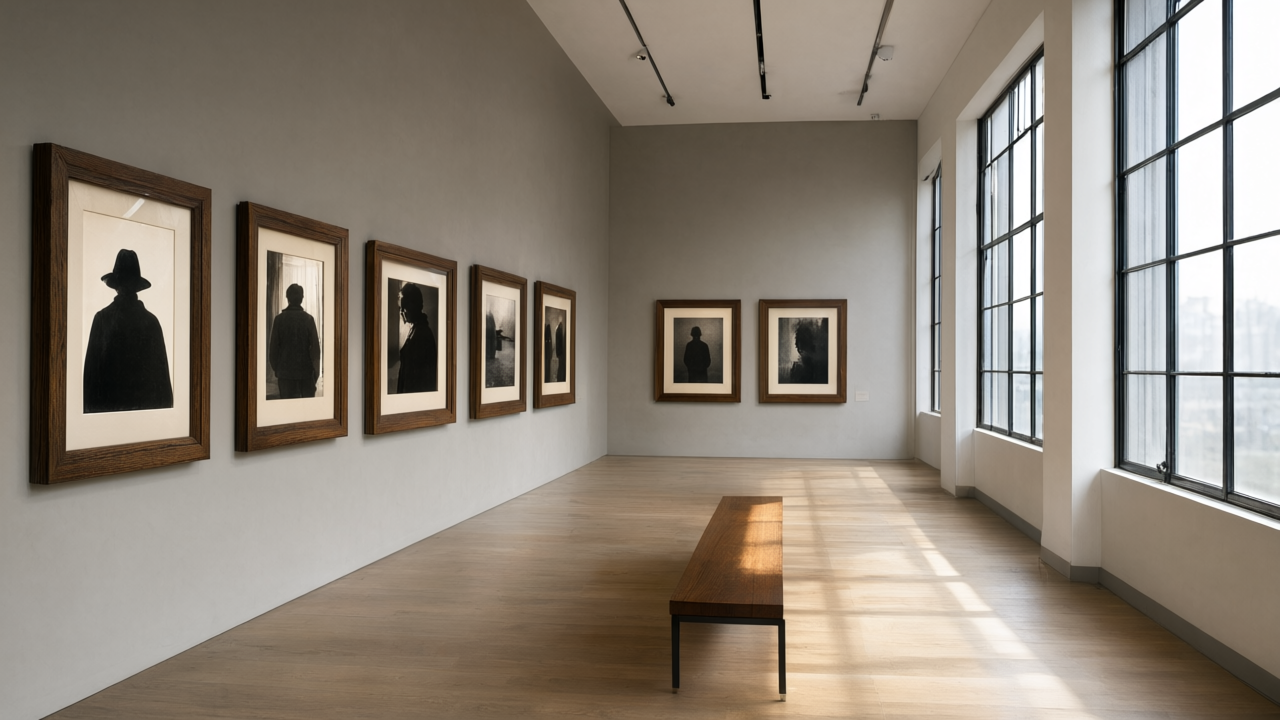
A new exhibition opening this week at the National Gallery of Art in Washington DC offers a profound look into how African Americans have used portrait photography to define their own narratives. Titled 'Remember Me: Picturing African Americans in Early Photography,' the showcase presents 70 selected works drawn directly from the museum’s archives, highlighting the agency of both the photographers and their subjects.
The exhibition, which opens on November 7 and will remain on view until March 14, 2027, traces the evolution of photographic practices within Black communities. It serves as a visual history, documenting not just physical likeness but also the aspirations, identities, and communal bonds that have shaped African American life over generations.
By focusing on early photography, the gallery emphasizes a period when the medium was still being standardized and widely adopted. For many African Americans, sitting for a portrait was an act of self-definition in a society that often marginalized or misrepresented them. These images stand as deliberate assertions of presence, dignity, and humanity.
The selection includes works created by African American photographers themselves, ensuring that the perspective remains internal rather than external. This curatorial choice underscores the importance of who holds the camera, allowing the community to control its own visual representation during a time when mainstream media frequently offered distorted or stereotypical views.
Visitors to the National Gallery can expect to see a diverse range of styles and formats typical of the era. From formal studio portraits to candid snapshots, each image contributes to a broader tapestry of social history. The exhibit aims to provide context for how these photographs were used within families and communities to preserve memory and celebrate milestones.
The National Gallery of Art has long been committed to expanding the understanding of American art and history. By dedicating space to this specific narrative, the institution acknowledges the critical role photography played in the cultural and political landscape of the United States. The show invites viewers to consider the power of the image in shaping public perception and private identity.
As the exhibition runs through early next year, it provides a timely opportunity for reflection on the ongoing relevance of these historical images. The themes of identity and aspiration explored in 'Remember Me' resonate with contemporary discussions about representation and equity in the arts and media.
The gallery hopes that this collection will spark dialogue among visitors about the legacy of early Black photography. By preserving and displaying these works, the museum ensures that the stories captured in these frames continue to be seen and understood by future audiences.
For those interested in the intersection of art, history, and social justice, 'Remember Me' offers a compelling entry point. The exhibition stands as a testament to the enduring power of photography to record, resist, and reimagine the world.
“A new exhibition at the National Gallery of Art showcases 70 works by African American photographers, exploring identity and community through early photography.”
Sources
Reporting informed by Guardian Culture. This story was written by the Glob News Desk based on verified reporting and independently reviewed before publishing.
Written by
Glob News Desk
AI-assisted editorial team
Stories researched and drafted with AI assistance from verified news sources, then reviewed by a human editor before publishing.
Spotted an error, or have something to say about this story?
Tell the newsroom
Read next
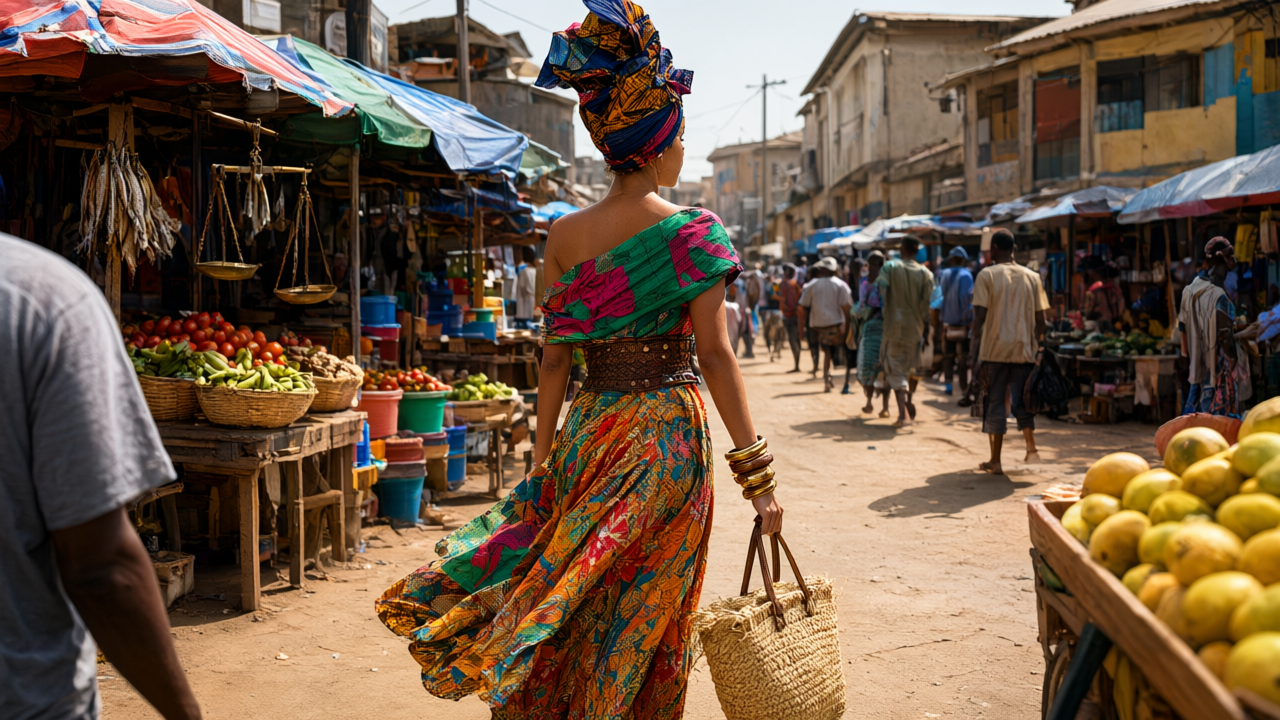
From Newsroom to Hive: A Journalist’s Second Act in British Columbia
After decades of high-stress journalism, one man traded city life for beekeeping in rural Canada.
2 min read
The Weekly Globe
One email a week with the most-read stories. Unsubscribe anytime.
Related stories
CultureFrom Newsroom to Hive: A Journalist’s Second Act in British Columbia
 Culture
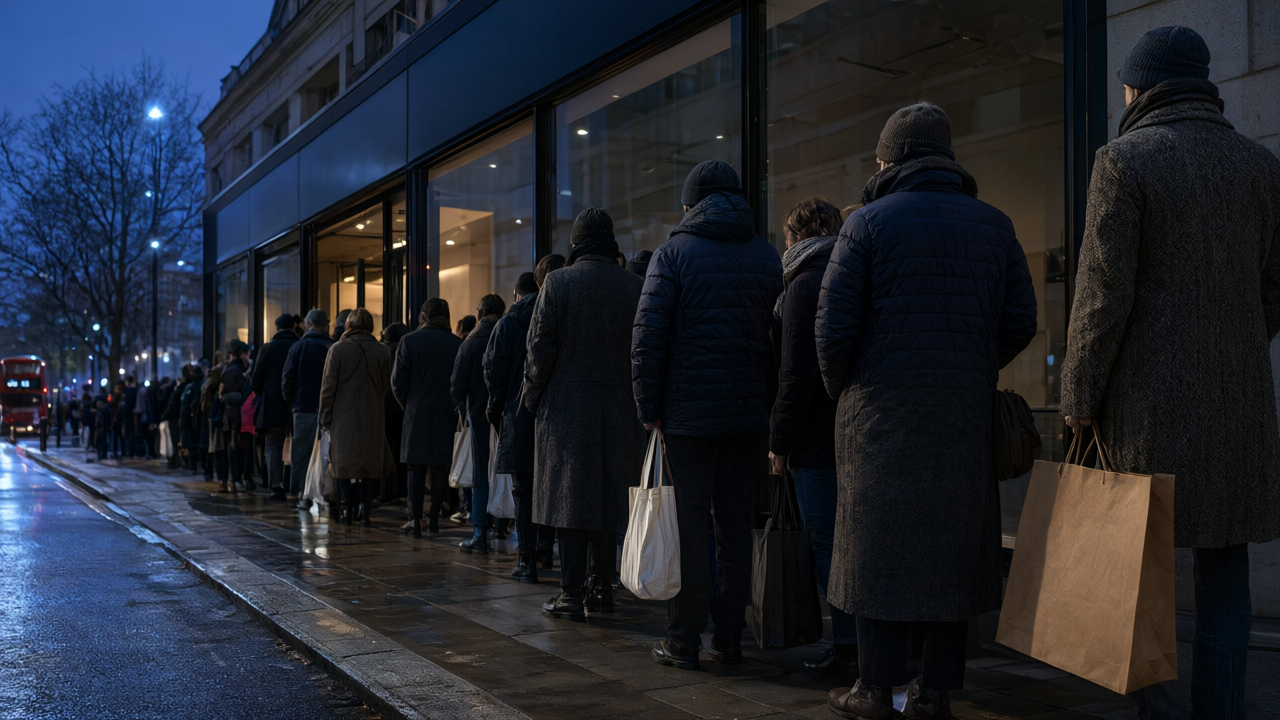
From Lagos Markets to Chanel Runway: The Thrift-Style Revolution
 Culture
Comments
0Join the conversation — sign in to post a comment.